
Andrew Leland Rogers, actor
1Q: Tell us how you became involved with Elsewhere, NY, and how you prepared for your role.
I met Tom Wilton and Jeffrey P. Nesker at a Starbucks on Union Square in Manhattan. I’d applied to the project a couple of days earlier, and they said they just wanted to meet me, to talk.
We discussed the concept of Elsewhere, NY, read through a couple of scenes and in Jeff’s eyes, I knew he saw me as the character so I didn’t change a thing at first glance.
When they offered me the part, I dove right in, not knowing what to expect or what the process would be.
Figuring out Ethan was a very personal process for me to be honest, but I can say that I used the clues on the page and really discussed a lot of it with Jeff as a director, feeling out the process and how he interlocked with the other characters in the piece.
2Q: Cinequest Film Festival is hosting the US Premiere of Elsewhere, NY. Explain to us how it feels to bring this film before US audiences for the first time, and what do you think their reaction will be to your film?
It’s always exciting for people to see your work and react to it. Festivals are a great opportunity to share and discover other artists as well, so I am just as excited to see some great films as I am for people to come and see ours. There are just so many good films, I hope ours finds its place at this festival, but I know that whatever their reactions, I’ll be glad to talk with people after each screening.
3Q: What was your best and/or worst experience while making Elsewhere, NY?
Elsewhere, NY was my first experience of appearing in a feature, so it was a beautiful combination of complex yet simple experiences. It wasn’t all fun and games of course – there were some shitty parts, but there were moments where I really felt that I was allowed to own my character. So the good and the bad – they all serve as a learning curve, just as they do on any project.
4Q: Festival audiences often have to make hard decisions about what to see, and the catalog descriptions sometimes run together. In your own words, why should people see your film?
Elsewhere, NY is an honest film above all else. In terms of genre, it’s not really trying to be anything – it’s just a simple love triangle about complex people. In fact, I think that many of us will have been a part of such a crazy situation (or at least, some version of), and so whether we are the one cheating or being cheated on, it’ll be recognizable to many. People will (and do) get it.
Add to that the incredibly intimate relationship this film has with a New York you rarely see, and you’ve got nothing to lose with this flick.
5Q: Time to pre-plan: You just won the Oscar for Elsewhere, NY. Give us your acceptance speech.
Well there was only 3 other people in the cast, and 2 people on the crew, so it would be very short…
 See ELSEWHERE, NY at Cinequest!
View the trailer!
Follow them on Facebook!
Follow Andrew on Twitter!

Thomas Meadmore (right), director/writer of HOW TO LOSE JOBS & ALIENATE GIRLFRIENDS, with Tony Jackson (left)
1Q: Tell us a little about the origins of How To Lose Jobs & Alienate Girlfriends, from concept to financing.
“I’m following my gut” was the catch phrase of this disaster story.
Initially I set out to make a documentary about the themes of the creative process while tracking Tony Jackson (film maker & my boss) and Amanda Medica (waitress & my girlfriend) follow their dreams to become pro musicians… and through pure lack of tact on my part, I inadventantly destroyed the relationships and the film in the process.
How? You’ll have to come watch!
The story eventually became as much about our relationships as their quest to fulfil their dreams.
2Q: How To Lose Jobs & Alienate Girlfriends has its North American Premiere at Cinequest, but it has also done quite well at other film festivals. Will you be less nervous now at Cinequest? Does this process ever get any easier?
Yes I am nervous. After the last screening I had one audience member attack my motivations and integrity as a person, publicly. With this film I am very vulnerable and I make it safe for people to tell me what they really think. And they do.
3Q: What was your best and/or worst experience while making How To Lose Jobs & Alienate Girlfriends.
I truly cannot answer this! Come see the film and we can talk about it after Details are here…
4Q: Festival audiences often have to make hard decisions about what to see, and the catalog descriptions sometimes run together. In your own words, why should people see your film?
Tough call, especially with so many awesome looking films at Cinequest!
But who hasn’t wanted to tell their nearest what they really think of them? Well, come see what happens when you do while you happen to be filming them!
I don’t think you’ve ever seen anything like this. If you’re on the ride then it will hit really, really hard.
Q&A’s after are really colourful, so that’s another great reason.
5Q: Time to pre-plan: You just won the Oscar for How To Lose Jobs & Alienate Girlfriends. Give us your acceptance speech.
I am so glad you enjoyed my movie. Thank you for watching, thank you for voting – this is very encouraging.
See HOW TO LOSE JOBS AND ALIENATE GIRLFRIENDS at Cinequest!
View the Trailer!
Follow them on Facebook!
Follow them on Twitter!


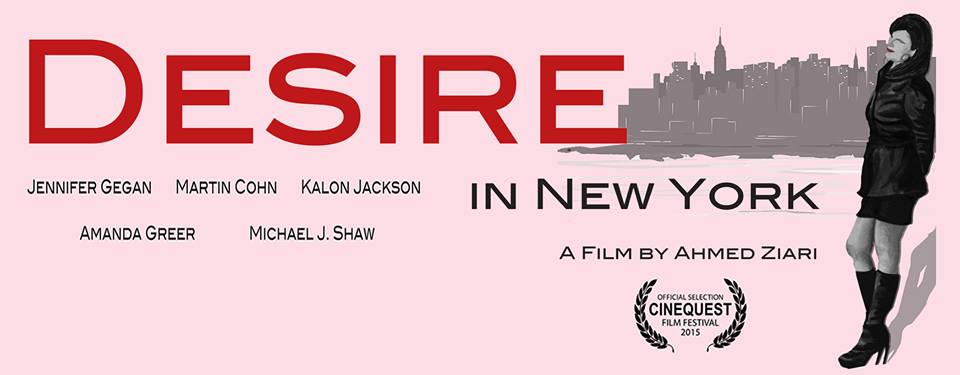
Ed Ziari, director/writer of DESIRE IN NEW YORK
1Q: Tell us a little about the origins of “Desire in New York”, from concept to financing.
I had just dislocated my shoulder in the process of a flight attendant training in Dallas so I had to leave everything and come back to New York and all I wanted to do at that point was work on my first feature- perhaps making a film was also an excuse to not go back to Dallas considering I was in a relationship and the idea of being based in Miami after the training was not appealing to me at the time. I thought making films and staying in New York were the top priorities for me so I said I will make a film as soon as possible and I did.
I had been writing a different script for a while but I realized it would take years and endless work to find financing for it so I decided I needed to write something I could produce myself. This was new to me as I had been sort of against the DIY method- I thought writing only what I can produce would limit my creativity but, it turned out, the exact opposite happened. I wrote the first draft in a few days and finalized the script within a couple of weeks. I took some loans, used my camera, and rented half of the equipment and friends provided the other half.
I’ve been always interested in sexuality and New York as a culturally rich city so I didn’t think for too long about what could be appropriate themes for the film. I also wanted the script to have diverse and complex characters and for that to be achieved we needed the right actors. That’s why we devoted more than enough time for the casting process, which was a lot of fun and I ended up connecting with all the actors.
2Q: Cinequest Film Festival is hosting the World Premiere of Desire In New York. Explain to us how it feels to bring this film before audiences for the first time, and what do you think their reaction will be to your film?
We are definitely thrilled to have the film premiere at such a major festival and we all know that having an audience for your work is the best reward any artist can ask for. I think their reaction would be similar to that of people who had seen my earlier work, two short films I had done a couple of years ago. This may sound like a cliché but I can tell that they would either love or hate the film but, at the same time, everyone would think it’s interesting. I’m okay with either- the main goal is to have a reaction.
3Q: What was your best and/or worst experience while making Desire In New York?
Working with the actors was an amazing experience to the degree that sometimes, in spite of all the difficulties we encountered, it feels like a very intimate party that we started and we have yet to finish- it’s almost like I didn’t get enough of it. Also, having the freedom to be as creative as possible was honestly a joy for me.
Of course, we struggled during the production due to the weather (shooting exteriors in the cold), the financial limitations and due to other factors (shooting in noisy public places like the subway and the park) and those are all unpleasant experiences but looking back and thinking we have a final product, I would do it all over again for the sake of telling stories.
4Q: Festival audiences often have to make hard decisions about what to see, and the catalog descriptions sometimes run together. In your own words, why should people see your film?
This film is for anyone who has an interest in independent cinema and wants to see something alternative and transgressive with an interesting story, something that would feel as real, obsessive and beautiful as human nature.
5Q: Time to pre-plan: You just won the Oscar for Desire In New York. Give us your acceptance speech.
Speechless.
See DESIRE IN NEW YORK at Cinequest!
View the Trailer!
Follow them on Facebook!

Tom Wilton, writer/producer of ELSEWHERE, NY
1Q: Tell us a little about the origins of Elsewhere, NY, from concept to financing.
I‘ve been busily writing and directing zero budget features for several years now, and at the final Bootleg Film Festival in NYC, myself and filmmaker Neil Rolland took our friend, Jeffrey P. Nesker, to one side and told him it was time for him to just shoot a feature.
Things had been building up for a while, and like so many filmmakers, Jeff had slipped into that all-too-familiar pattern of fruitlessly trying to raise a large sum of money to make his first feature. As I say, it’s nothing new, but after a while, you’ve got to own your own process as a filmmaker, otherwise you fade into irrelevance.
And so it was, I invited him to come make a film in NYC with me on a deliberate zero budget.
2Q: Cinequest Film Festival is hosting the US Premiere of Elsewhere, NY. Explain to us how it feels to bring this film before US audiences for the first time, and what do you think their reaction will be to your film?
We played Whistler Film Festival at the end of last year, but Cinequest represents our US debut, which is ultimately very, very exciting.
For me, coming back to the Bay Area is kind of acknowledging where it all started. Although I’m based in New York these days, originally, I’m from London. My first ever trip to the States was as an ambitious-yet-dumb 23-year-old, flying over to crash with my cousin for a month as I figured out how to become a filmmaker.
Over those weeks, I hung out in Gilroy, Monterey, Santa Cruz, San Francisco and of course, San Jose where Cinequest is happening. Falling in love with California was easy of course, and I have been back to countless times since. But returning for the first time with a film I’ve written and produced will be quite special.
All I hope is people dig the film. There’s a rock n roll vibe to the film, an acerbic feel to it that I think will chime right in with Californians (both native and festival-temporary).
3Q: What was your best and/or worst experience while making Elsewhere, NY?
Much of the movie was based out of mine and my wife’s apartment in Astoria, Queens, and at the time, we’d just moved in. So of course, adjusting to the chaos of shooting whilst trying to bed into our new life together in NYC was rough at times. But then, seeing Jeff grow from the very real challenges I’d laid out for him (he had the couch) was inspiring.
Of course, shooting a movie in lowdown and dirty style is hard, but maybe not in the ways people instantly think. Yes, there’s no money, no crew and everybody’s trying to squeeze it in around day jobs, but you focus on what you do have, rather than the negatives. For example, I knew I could invest my energy in taking Jeff’s idea and weaving it into a screenplay where the character’s choices made sense. They might not be the right ones, but at least you could understand why things happen the way they do.
Then of course, it’s NYC – if you can’t find talented actors in this town you’re not looking in the right places. So for me, the best experience was presenting all these things to Jeff and him proving that, even if we did have a fat budget, none of that could improve the actors we had or the story we wanted to tell. Sometimes, when you don’t have much, you can really focus on the value you do have.
4Q: Festival audiences often have to make hard decisions about what to see, and the catalog descriptions sometimes run together. In your own words, why should people see your film?
People should see the film because it’s raw, honest, smart and a little bit baddass. And yes, I know I’m meant to say all that, but then, I also believe it to be true. But don’t just take my word for it, come see it, and tell me what you think after.
Still, is Elsewhere, NY a clean and easy ride? No – but we never wanted it to be. It’s about people screwing around and screwing up. What’s not to love?
5Q: Time to pre-plan: You just won the Oscar for Elsewhere, NY. Give us your acceptance speech.
I think they wrote down the wrong name, but I have a death grip on this statuette and I’m not giving it up.
See ELSEWHERE, NY at Cinequest!
View the trailer!
Follow them on Facebook!
Visit Tom’s website!

Jeffrey P. Nesker, director of ELSEWHERE, NY.
1Q: Tell us a little about the origins of Elsewhere, NY, from concept to financing.
The story of Elsewhere, NY has to start with Tom Wilton, the writer and my fellow producer. Tom is a gifted filmmaker in his own right, a zen master of zero budget filmmaking, and a guy I’ve had a long standing friendship and collaborative relationship with. Together, along with Neil Rolland and a handful of others, we ran the globe-hopping Bootleg Film Festival, taking it to London, Swansea, Toronto, Edinburgh, and finally New York City.
It was actually on the closing night in NYC that both Tom and Neil essentially held an intervention on me, telling me it was time to get out and make a feature. You see, after beginning my career with a bunch of very successful shorts, I had spent too long sitting on the fence, waiting for that magic ratio of finances and permission to make my debut feature. It was showing on me of course. Here we were, screening features that others had made, and there I was, angst-ridden, disillusioned and more than a little bitter. In truth, I wasn’t much fun to be around.
Tom suggested I return to New York soon, and that we’d just get down to shooting a movie in that no-budget, no-holds-barred way.
And so, on the ride back to Toronto, my sister and I chewed over some simple story ideas. Then, before I knew it, I was back in New York, camera in hand, a screenplay Tom had pieced together and actors at the ready.
Fast forward a month (and a few bucks later), I had exactly the film I wanted to make; challenging, ambitious, but most importantly, true to the uniqueness of the city that never sleeps. I felt that I had really drilled down in authenticity, peeling open a place and just what it can do to people that decide to make it their home.
2Q: Cinequest Film Festival is hosting the US Premiere of Elsewhere, NY. Explain to us how it feels to bring this film before US audiences for the first time, and what do you think their reaction will be to your film?
The film actually debuted last December at the prestigious Whistler Film Festival, Canada, so I was fortunate enough to see it with an audience there. But having its US Premiere at Cinequest is truly fantastic, and I’m a huge fan of the festival, so it’s truly an honor getting to share it with everyone here first.
Of course, when you factor in that Elsewhere, NY is a DIY feature, shot on the sly with a cast of four and a crew of two, it’s exciting to see what people will make of it. The film is certainly aggressive, stylized, and features characters who can be selfish and impulsive. But I think that’s what makes it a compelling (and hopefully refreshing) story to tell.
I was delighted by the audience response at Whistler, and, in many instances, they felt compelled to stop us in cafes and out on the street after to talk about the movie and its themes.
Personally, I’m always curious which of the characters people identify with, and at Cinequest, I hope I’ll be getting to enjoy many more of those conversations.
3Q: What was your best and/or worst experience while making Elsewhere, NY?
Making a no budget feature in a month, with no prep, that’s hard. To do it in New York, a city where even the subway makes no sense half that time, yeah, it’s a challenge for sure. But the truth is that despite all the backaches from couch-hopping, stomach aches from too much dollar pizza, plus all the usual struggles of making a feature film, shooting Elsewhere, NY has been the greatest, and most rewarding adventure of my life. It was pure magic. I had an absolutely terrific cast that came together far quicker than anyone expected, a great script, and, of course, the chaos that is New York City to steer my ship by. It was insane, but I got it, and even learned to love it. It was my kind of crazy.
Still, like any debut feature, there was a definite learning curve. The challenge was always to get the best possible sound, within reason. Of course, New York is one noisy place, and so we made the choice early to just embrace it’s authenticity. As a filmmaker, there’s always a desire to control your environment, but when you’re in one of the most populated cities on the planet, you simply have to surrender to what New York is.
4Q: Festival audiences often have to make hard decisions about what to see, and the catalog descriptions sometimes run together. In your own words, why should people see your film?
I hope that audiences see themselves – warts and all – in these characters. That they reflect the people we are, the people we’ve been, and also the people we want to be.
Personally, I’m very proud of this movie. I think it’s bold, authentic, and exciting. We have created something that transcends it’s humble production and (so it seems) speaks to people. It’s certainly put me back on track as a filmmaker, and its continued successes as we share it with the world reaffirm why we do this in the first place.
And on a really raw level, I want this film to inspire more filmmakers to go and make their films – to also stop worrying about the details, and just go do it.
5Q: Time to pre-plan: You just won the Oscar for Elsewhere, NY. Give us your acceptance speech.
A film, even a micro-budget one, is a team effort, and I had a fantastic team. To my actors, Gillian Leigh Visco, Andrew Ruth, Andrew Leland Rogers, and Fiona Graham, I owe you a singular debt. You trusted me to do something very ambitious with no time and no money. We succeeded not because of me, but because of each of you, and that sacred trust.
To my composers, Jason Thomson and Simon Poole, and all the bands that graciously allowed us to use your music, you rolled with a workflow from hell, countless changes after the fact, and so much more noise, if you’ll pardon the pun. Sasha Abramov, thanks again for doing what you do so well – delivering amazing graphics and VFX quicker than it takes me to type out my thanks!
(The orchestra probably starts up here to play me out, so my volume raises in tandem…)
To Elma Bello, who became much more than a Sound Designer. You became a trusted lieutenant. Your belief in the film held the whole ship together more than a few times, and your tireless devotion to making it great is beyond appreciated.
(Music swells…)
To Allon Schemool, Nicole DeWalt, and “Fireman” Sam, who opened their doors, and their lives, to an old friend from Toronto with no other place to go, without you, there would be no film to speak of. I am forever in your debt.
(Music at deafening volume now. TV broadcast cuts to people more famous than I. They look bored.)
To Tom Wilton, who showed me a kindness and willingness to service my dreams that I will cherish forever. And of course, to my family, who put up with this insane career choice of mine! After years of sitting on a fence, I’ve gone and climbed the mountain top, and it feels damn good standing at the summit looking down. Onward and upward!
See ELSEWHERE, NY at Cinequest!
View the trailer!
Follow them on Facebook!
Follow Jeffrey on Twitter!
Follow Jeffrey on Instagram!

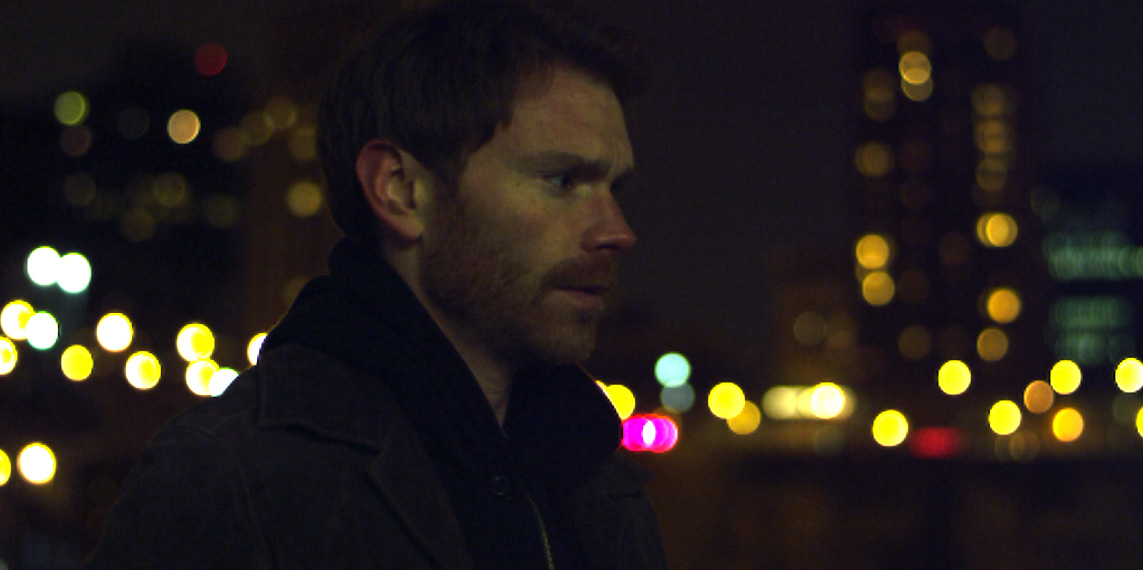
Shawn Boyde plays “Eric” in THE CENTER
1Q: Tell us how you became involved with THE CENTER, and how you prepared for your role.
I randomly dated 3 of the Griak’s friends over the years, which was fascinating because we weren’t even in the same friend circle and Minneapolis is not a small city. It just happened. I sort of chalked it up to a funny coincidence and didn’t think much of it. Charlie would just pop up in my life for a minute, and then he’d be gone until I dated another of these women.
One day, I submitted for a casting call, and Charlie responded. I think the uncanniness of it finally sunk in for both of us and we realized we were supposed to be friends.
We met to talk about the movie and really hit it off. Pretty soon thereafter, we started filming some early test scenes to see where it went, and the rest was history.
Preparing for a role is always mystifying to me. I’ve done it lots of times, but I never quite know how I’m going to pull it off each time. Then, about month before we started shooting, I got cast in a Scientology film (they do lots of their own films and cast actors in LA), and that gave me some good firsthand insight into self-help groups and how they work. This film is not specifically about any one organization, but the timing was just uncanny.
2Q: Cinequest Film Festival is hosting the World Premiere of THE CENTER. Explain to us how it feels to bring this film before audiences for the first time, and what do you think their reaction will be to your film?
I’m thrilled to finally have it out in the world. I don’t think most people know how much time it takes to get an indy film out in the world. Most don’t ever make it, and those that do can take 4-5 years. I’m ecstatic, grateful, and honored we’re here.
I think this film is going to live with audiences for a few days afterwards. It’s definitely one that will provoke thought.
3Q: What was your best and/or worst experience while making THE CENTER?
Working with Charlie Griak. He’s a visionary director, but somehow he’s also ultimately collaborative. I think that’s tough to find. It shows that he trusts his actors and he trusts the process. There’s no ego with Charlie. Anything that made the movie better, he’d run with. And that included me suggesting a new line or move here and there. He was open to all of it.
4Q: Festival audiences often have to make hard decisions about what to see, and the catalog descriptions sometimes run together. In your own words, why should people see your film?
10 years from now Charlie is going to win an Oscar, and together we’ll be able to say that we saw his first feature at Cinequest. That’s pretty cool.
5Q: Time to pre-plan: You just won the Oscar for THE CENTER. Give us your acceptance speech.
Life is an epic ride, and you can do whatever you set your sights on.
So get in. Latch in. And point the nose towards your dreams. You could be standing here, or wherever you want to be, too.
See THE CENTER at Cinequest!
Follow them on Facebook!
Follow them on Twitter!
Shawn Boyd’s website!
THE CENTER on Instagram!
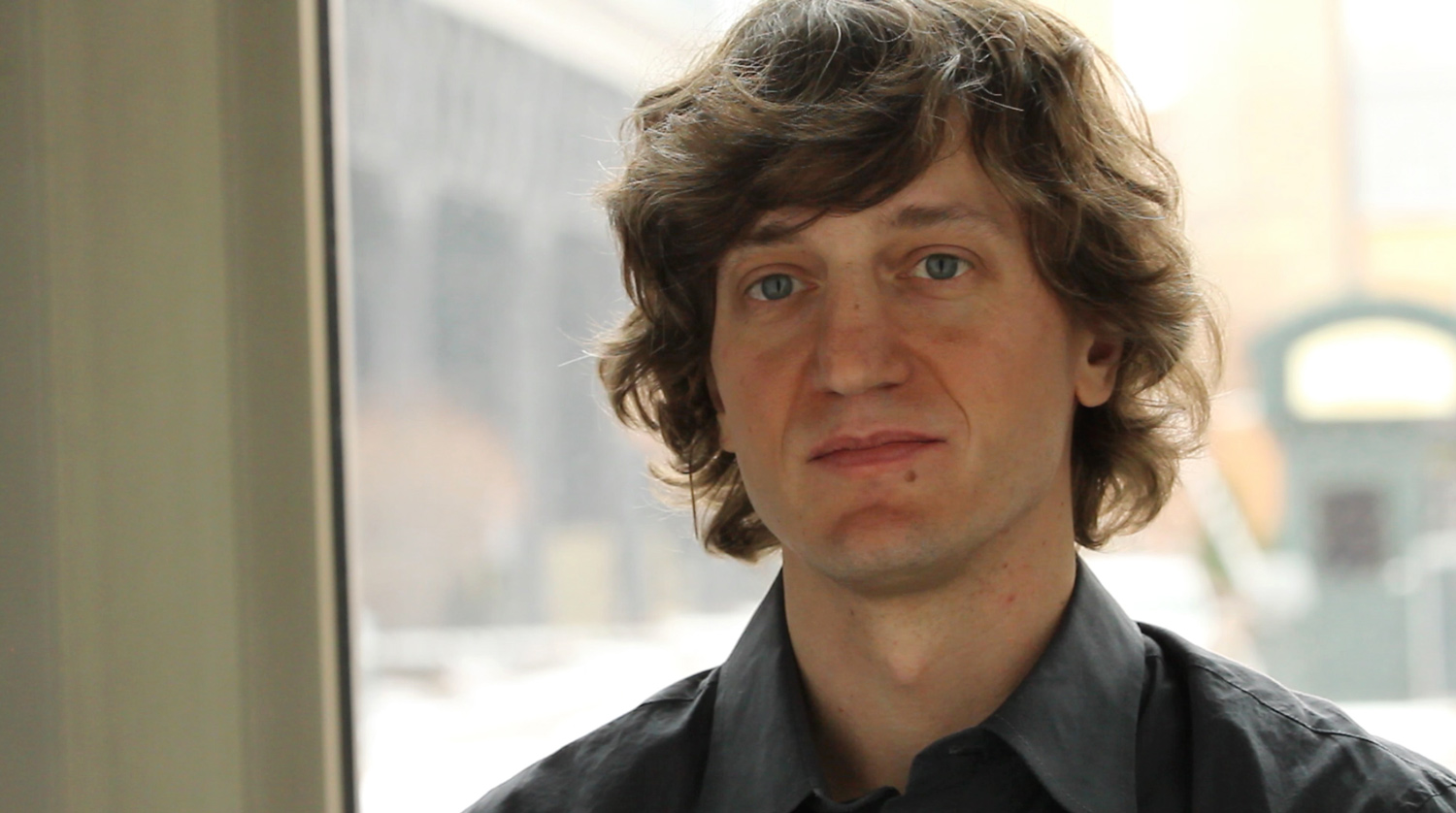
Charlie Griak, director of THE CENTER
1Q: Tell us a little about the origins of THE CENTER, from concept to financing.
I’m always a little embarrassed to admit just how long I have been working on “The Center”. I believe I’ve been writing and story boarding it since 2005. So needless to say, its been a long road to get the film where it is today.
After years of writing in secret, and being completely afraid to share the story with anyone, I somehow found myself making a public commitment to a group of close friends that I would quit holding back and actually make this movie.
Almost immediately after making this commitment, I regretted it. I soon convinced myself that what I was hoping for was all but impossible. Luckily, I received some great advice from a friend. He suggested I simply take one small step forward— even if it was a very small step, even if I didn’t believe it would lead anywhere, even if the results were disappointing, and even if what I was doing seemed completely foolish. I simply needed to take a step that day and start the ball rolling. And then I just needed continue to do that everyday, over and over, for as many days as it took to complete the film.
With that in mind, my wife and I, along with our friend Ramon (who would eventually play Leon in the final film), began to shoot test scenes. We would take some small excerpt of the script and try to film it. We borrowed cameras, and microphones… we used desk lamps instead of lights… we found actors through craiglists postings (many of whom became our final cast)… we shot on street corners, and in churches, friend’s apartments, and abandoned alleys. And whether we knew what we were doing or not, we had started the ball rolling. For the next two years we shot those test scenes. And in enough time we had convinced ourselves that we could actually make a feature film.
Having generated this type of momentum, the means to make a complete feature film started to line up very organically. By sharing some of our test scenes, we were able to connect with two great Minnesota producers, Annie and Judd Einan. They joined our small team and created a very efficient and innovative plan to film the entire feature. Soon after, we able to secure enough financing to shoot for 20 days with a paid cast and crew. And we were off and running…
2Q: Cinequest Film Festival is hosting the World Premiere of THE CENTER. Explain to us how it feels to bring this film before audiences for the first time, and what do you think their reaction will be to your film?
I am beyond thrilled to bring “The Center” to the Cinequest audience! The whole experience so far with Cinequest has been wonderful and it sounds like the Cinequest audiences are filled with true film lovers. That really is the ideal situation for any filmmaker, so I’m really looking forward to our screenings and the Q &A following the premiere.
I hope the film generates a lot of discussion in the audience about cults, human behavior, belief systems and group dynamics. I think there is no bigger compliment than hearing that my film made someone “think”.
3Q: What was your best and/or worst experience while making THE CENTER?
“The Center” is my first feature film, so I have a long list of “best” experiences. The first thing that comes to mind is the moment right before our very first take. I remember looking around the location — the crew, the cameras, the lights, the actors — and it felt like a dream come true. I felt (and still feel) incredibly lucky to have the opportunity to create a film. I consider the creative process to be very sacred, and to collaborate with so many great people in that process was a life-changing experience
Another moment that stands out is the first time I was able to share my rough-cut with one of my heroes, Jonathan Demme. Hearing his positive feedback and excitement about “The Center” is a memory I will always cherish.
Another best moment is of course finding out that we were accepted for Cinequest 25!
4Q: Festival audiences often have to make hard decisions about what to see, and the catalog descriptions sometimes run together. In your own words, why should people see your film?
I think people should see “The Center” because it touches on some very real experiences that are rarely explored dramatically. I think a “realistic” look at a cult-like group is a unique thing in a narrative feature film.
But beyond simply the topic, I think the film is emotionally authentic and therefore something that an audience can connect to on a deep level. And ultimately, I think that is why we see films — to connect with the characters, the story, and with, as Joseph Campbell put it, “an experience of being alive”. I sincerely hope The Center gives the audience some level of opportunity for that type of connection.
5Q: Time to pre-plan: You just won the Oscar for THE CENTER. Give us your acceptance speech.
That is certainly a fun thing to imagine! I think I would have so many people to thank that I would be kicked off the stage before I could name them all!
Truly, film is such a collaborative process and I would want everyone involved to get their proper credit. Most importantly, I would want to thank my parents and my wife, Wendy, for all of their amazing support. I also would want to thank Jonathan Demme for all of his guidance and generosity… and our great producers, Annie and Judd Einan, and the cast and crew… see, I could go on and on….
See THE CENTER at Cinequest!
View the trailer!
Follow them on Facebook!
Follow them on Twitter!
Follow them on Instagram!

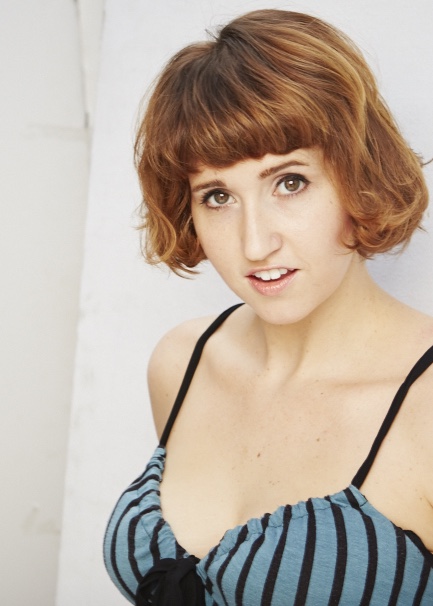
Veronica Mannion, director: BOOZE BOYS & BROWNIES
1Q: Tell us a little about the origins of BOOZE BOYS & BROWNIES, from concept to financing.
When I moved to LA from my sleepy suburban Bay Area town, I decided to put on a one woman show ala my idol Molly Shannon to “get noticed” in Hollywood. “Booze Boys & Brownies” was performed at the Exit Theater in SF and at the Hollywood Fringe Festival to enthusiastic but small crowds, and some people told me to make it a web series of me playing these different characters and singing these old show tunes, but I always wanted to make movies. I grew up loving films, and if I was truly honest with myself, I knew I had to write my ticket into them. This movie is a twist on very real events of my first year living in LA. I love slice of life films and looking back, I was aware of the juxtaposition of my feelings while BBB was first going on; I was performing my stage show and feeling ecstatic but also reeling from a very difficult break up. I decided this was my story I wanted to share, and after 2 years of drafts and drafts of it, I decided to spend all my savings and just make it. And I’m so happy I did!
2Q: Cinequest Film Festival is hosting the World Premiere of BOOZE BOYS & BROWNIES. Explain to us how it feels to bring this film before audiences for the first time, and what do you think their reaction will be to your film?
I’m extremely excited and nervous to hear the crowd’s reactions! I’ve seen it so many times with my editor and my sound guys, and even my little sister who offered a much needed outside perspective, and we quote certain things and fixate on other random things. I’m interested to see what will land, and what won’t. Also there’s some “industry” jokes that I don’t know will resonate with the Bay Area crowd. But I’m hoping they’ll love it! I’m hoping the songs will get stuck in their heads and they’ll revel in the cheesiness. If one person cries, I will feel like I’ve made it.
3Q: What was your best and/or worst experience while making BOOZE BOYS & BROWNIES?
My best experience was that I got to be the star of a musical! That’s never happened to me before. After my first day of choreography with Deborah Geffner (a Broadway multi-talented performer who also plays Sharon in BBB), I realized I had made my own dreams come true. And that felt pretty powerful.
The worst experience was just a few last minute heart attacks- I had to recast the role of Sugar Daddy one week before shooting, and also recast Doug only hours before the shoot because some actors had to drop out. It was stressful and not ideal, but my film was a super low budget thing and things like this happen- but the show must go on.
4Q: Festival audiences often have to make hard decisions about what to see, and the catalog descriptions sometimes run together. In your own words, why should people see your film?
I feel like so many movies today aren’t made for me. They are too fast or violent or kinda gross. I made a movie I would want to watch on a rainy Sunday with my best friends, or make some cookies and watch with my mom, or to nurse me through a breakup. I made that movie that gets better every time you see it, that warms your heart and hopefully makes you think about your life and feel a little lighter.
5Q: Time to pre-plan: You just won the Oscar for BOOZE BOYS & BROWNIES. Give us your acceptance speech.
I’d like to thank my mom for teaching me the most important words in the English dictionary- I AM. This is for all the little chubby girls- you can do anything you put your mind to!
See BOOZE BOYS & BROWNIES at Cinequest!
View the trailer!
Follow Veronica Mannion on Facebook!
Follow BOOZE BOYS & BROWNIES on Facebook!
Follow Veronica Mannion on Twitter!
Follow BOOZE BOYS & BROWNIES on Twitter!

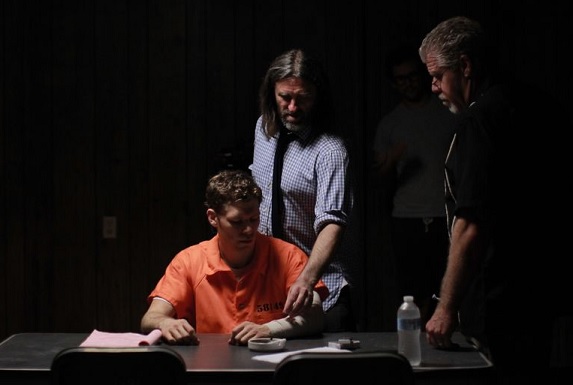
Ross Clarke, directing stars Joseph Morgan and Ron Perlman.
1Q: Tell us a little about the origins of Dermaphoria, from concept to financing.
I had read Craig’s first novel The Contortiornist’s Handbook – loved it and was interested in it as a film but at the time Leonardo DiCaprio’s company had it. So I talked to Craig’s fantastic agent Jeff Aghassi and he told me Craig was about to publish his 2nd novel – he sent me a copy – I loved it so we went to see Craig in San Francisco and my producer Teryn Fogel persuaded him to take a chance on us – she’s very persuasive and a huge part of the film from start to finish. I wrote many drafts of the screenplay and financing was tough – it’s a tricky adaptation and a niche story but it has these fantastic characters and story and eventually we got 3 different people to back us from the US and the UK.
2Q: Dermaphoria has done quite well at other film festivals. Will you be less nervous now at Cinequest? Does this process ever get any easier?
Well we had a huge opening and response in London which is my home turf. But for this one it’s Craig’s home – he’s very well known and loved in the Bay Area – and in a way even though we reset Dermaphoria in New Orleans that town today has something of San Francisco or Venice Beach before gentrification took hold. So we hope it will be another home coming for the film. And then we move onto a New Orleans screening and later in the year a full release.
3Q: What was your best and/or worst experience while making Dermaphoria?
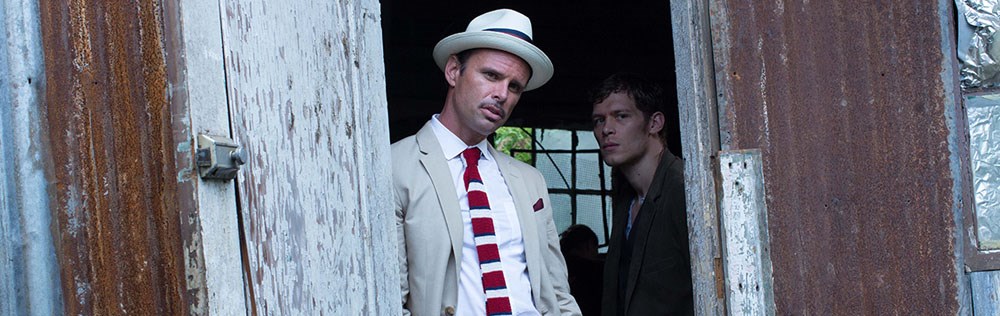
The whole thing was fantastic – I think meeting and getting to work with Ron Perlman, Walton Goggins, Craig, Kate Walsh and Joe Morgan (who worked his arse off in every scene and didn’t complain once). Ron and Walton are legends to me and they’re very generous and committed – they really owned it all. Discovering and understanding New Orleans was literally life changing. The city is magical and I wanted to put that on scree which I think we did. And all the crew there were spectacularly good and a lot of fun. The worst part was we shot in July and the heat almost killed me. It was brutal. It was a 19 day shoot and so we shot 30-35 set ups a day at 30 locations across the city. In hindsight that’s pretty stupid. But we did it but moving fast in that heat was tough for a pasty English guy. My DP was a legend – Pedro – a Uruguyan – the heat didn’t bother him – he kept us going.
4Q: Festival audiences often have to make hard decisions about what to see, and the catalog descriptions sometimes run together. In your own words, why should people see your film?
I think see this film if you love poetry and mystery and great acting. See it if you love New Orleans or if you’ve never been there see why you should. See it because Walton eats Craw fish like nobody else and Ron’s accent is fantastic. See it because Craig’s dialogue leaps off the page. See it because it’s visually an English / South American eye on a Southern American city and it’s beautiful. See it because it’s not trying to fit into a box and it wasn’t made by committee. It’s a real Indie art movie with an Indie spirit and I’m very proud of that.
5Q: Time to pre-plan: You just won the Oscar for Dermaphoria. Give us your acceptance speech.
I’d just stumble and cry and thank a lot of people – and say really ? I still think Boyhood is a little better. And then I’d wonder if someone slipped them some Derma to loosen them all up to vote for us.
See DERMAPHORIA at Cinequest!
View the trailer!
Follow DERMAPHORIA on Facebook!
Read the Book!
Follow Ross Clarke on Twitter!
Follow Bay Area author Craig Clevenger on Twitter!
Follow Ron Perlman on Twitter!
Follow Joseph Morgan on Twitter!
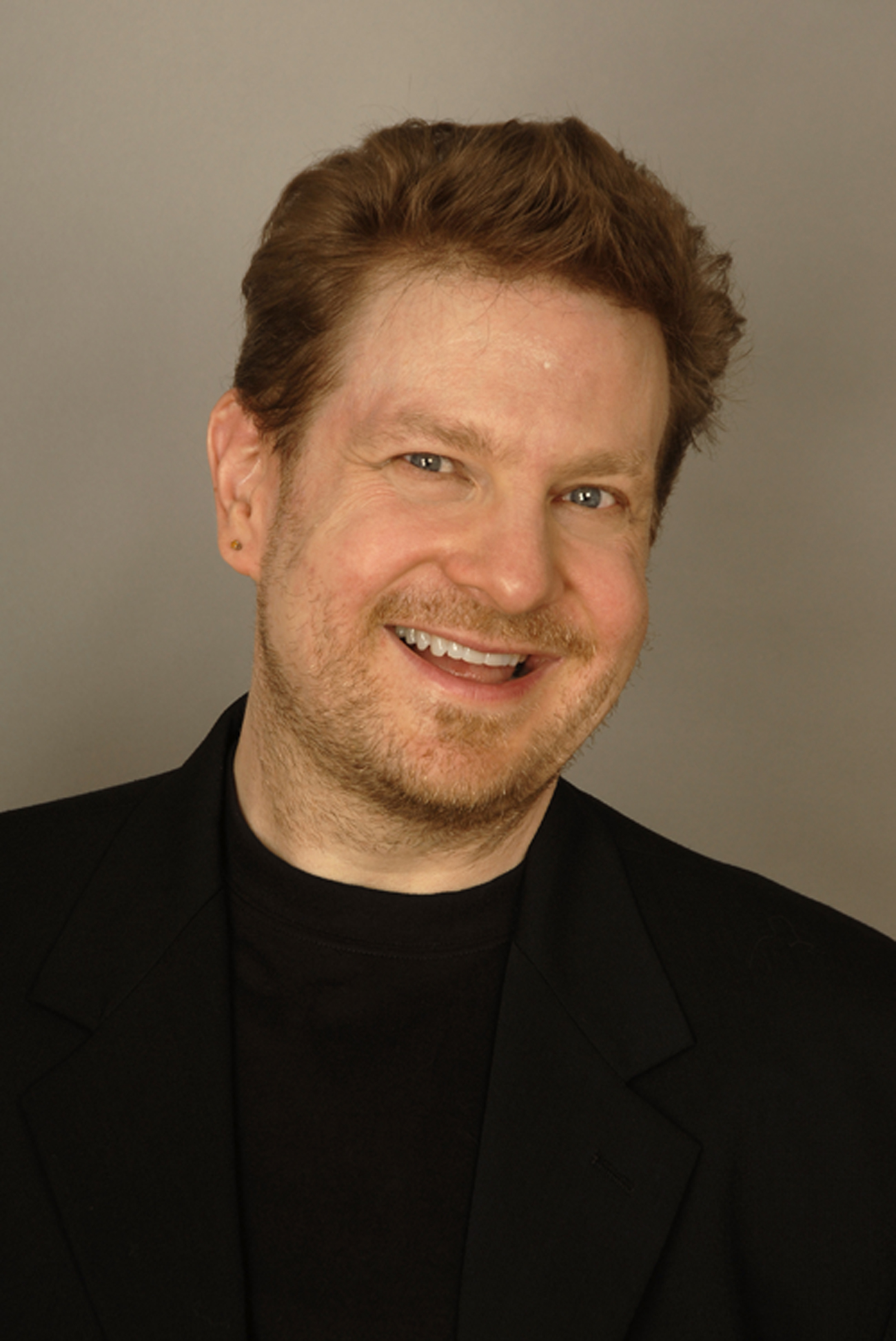
TIM BARTELL, writer/director of Dirty Beautiful. Photo by Mark Savage.
1Q: Tell us a little about the origins of DIRTY BEAUTIFUL, from concept to financing.
Let me start out by saying: Dirty Beautiful is not only a film I didn’t want to make, it’s an idea I ran from.
Flashback: a young was woman hitchhiking, so I gave her a ride. As we talked I found out she was homeless. Not destitute… more like a drifter. I offered to take her to a shelter but she wasn’t into that. Soon she asked if I had a girlfriend? No? She started to hint she would make a good girlfriend. It freaked me out. I gave her a few bucks and dropped her off where she wanted. Over time, I thought about her. And I’d think, there’s probably a story there. But the only way I could do it would be if the young man (me) brought this woman into his home and life. That idea made me cringe. Yet wasn’t there a little part of me then tempted by the idea of this instant girlfriend? Maybe some masculine combination of “saving her” mixed with exactly how lonely and sad I was back then.
The more I let the idea in, the more came out in me: memories of my desperate 20’s… of that youthful fear that I would always be alone. Suddenly, I couldn’t stop the ideas from coming. And the story I ran from became the one I was dying to tell. It’s not a totally true story… but there’s a lot of truth in it.
Then of course the trick was to raise the money to make it. I raised as much money as I could on my own, mainly from family and friends. Then I ran Kickstarter and IndieGoGo campaigns. That got us through shooting. Then more had to be raised for same later reshoots and post-production. I really gained respect for the people on NPR. Endless fundraising… AHHHH!
2Q: Cinequest Film Festival is hosting the World Premiere of DIRTY BEAUTIFUL. Explain to us how it feels to bring this film before audiences for the first time, and what do you think their reaction will be to your film?
I’m so looking forward to screening at Cinequest! The festival has such a great reputation for programming interesting, unconventional films. Dirty Beautiful is going to fit in well and I think audiences there will really get into it. I’m excited for the Q&A’s after, just to hear people’s reactions to the film.
3Q: What was your best and/or worst experience while making DIRTY BEAUTIFUL?
The best experience was definitely working with my cast. Particularly our leads, Ricky Mabe and Jordan Monaghan. The film rides on their performances and they never let it down. And they were both such a pleasure to work with. The worst experience for me was having to get up early every day. My personal opinion is the best part about morning is when it’s over. I’m going to set my next film entirely at night so next time I can get up at 3 PM.
4Q: Festival audiences often have to make hard decisions about what to see, and the catalog descriptions sometimes run together. In your own words, why should people see your film?
Dirty Beautiful is a film people are not going to forget. It has an almost dangerous combination of comedy and drama. Dirty Beautiful is a dysfunctional love story. And though there are scenes of truly effecting romance, it’s about as far away from a predictable rom-com as you can get. Beautifully acted, well shot and a terrific music score mixing originally composed music with some excellent songs. And the ending… will, let’s say there will be room for debate after.
5Q: Time to pre-plan: You just won the Oscar for DIRTY BEAUTIFUL. Give us your acceptance speech.
I want to thank the Academy for this great honor. Though I have to ask… what took you so long? 🙂
See DIRTY BEAUTIFUL at Cinequest!
View the Trailer!
Follow DIRTY BEAUTIFUL on Facebook!
Follow DIRTY BEAUTIFUL on Twitter!
 Popcorn and Vodka