 1Q: Tell us a little about the origins of KNOW HOW, from concept to financing.
Each year a group of foster care youth discover a non-profit called the Possibility Project. These teenagers are chosen to participate in the program based on their desire to create a better world. They come together for one year to share their stories. They learn to create change for themselves and their communities. They also create an original musical from the stories of their lives.
I actually went to one of their first shows when I was in high school, and after college volunteered to shoot some of the productions. I fell out of touch with them once I started directing my first feature. And then, in 2010, I got a call from the founder, Paul Griffin, requesting a meeting. They wanted to make a movie.
The project felt like an amazing one to be a part of. I’d get to work with foster care youth to tell their stories for the screen and then they’d star in the film itself. It also sounded incredibly challenging, high risk, and unlikely to get funded. So we started by making a short fundraising piece for the film; rather than focus on it as a motion picture, the pitch was based on youth development and creating change with a national conversation. A day after the musical premiered on stage, we had a few major donations come in that allowed us to move forward — and so what originally was unlikely became very real overnight.
2Q: Cinequest is proud to host the World Premiere of KNOW HOW. Explain to us how it feels to bring this film before audiences for the first time, and what do you think their reaction will be to your film?
I’m so excited for others to see Know How, and could not be prouder to world premiere at Cinequest with a team that really understands what the mission has been all along: change the foster care system. All along the film has persevered through seemingly insurmountable odds due to the incredible strength of the youth telling their stories, the folks behind the camera who wanted to help them, and all those surrounding the picture who understand what a unique and important film it is.
I hope audiences learn more about what youth in foster care go through, are inspired by their stories, and will take action to help support others like them.
3Q: What was your best and/or worst experience while making KNOW HOW?
They call production a war because it can really feel that way, and when there’s a lot riding against a production, like in our case, it felt like the universe was against us. My assistant director would joke, “This movie is a 13 inch foot trying to fit in a size 9 shoe”, and he was right, we were creating an incredibly ambitious project with over sixty actors, hundreds of extras, in over twenty locations, on a shoestring budget, with a cast of youth in foster care whose lives were tumultuous. The day before we started shooting one of the cast members said, “We are Warriors, Juan Carlos” The next four months of production we battled to capture the moment. It was glorious and it was horrible.
On the one hand, I’ve never felt so alive than I did when on set. There were emotional scenes where a cast member would break down in tears, and we’d work through those moments together. There were other days where we were so frustrated that I didn’t think we’d make it out of production alive. I have never been more worried, pumped full of adrenaline, and ready to fight for what I believed in; what we believe in. Those days were lived in superlatives as if the world itself would come apart at the seams. Nothing has ever been so terrifying and gratifying as those moments of creation.
 4Q: Festival audiences often have to make hard decisions about what to see, and the catalog descriptions sometimes run together. In your own words, why should people see your film?
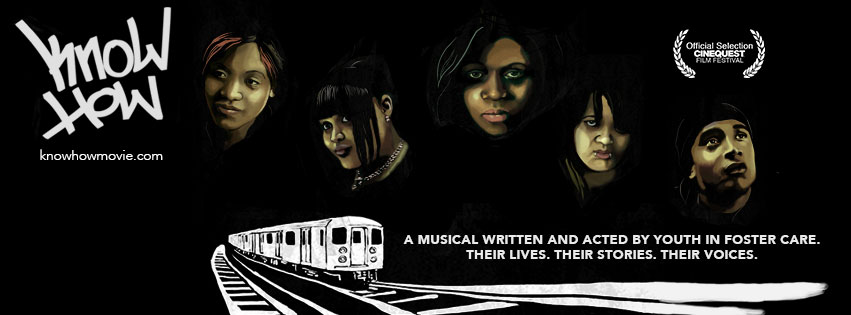
It’s a musical written and acted by youth in foster care, about their own lives. Have you ever heard of anything like that in your life? I don’t think there’s ever been something quite like this movie. These are voices of youth who are rarely heard, and it’s incredibly important to listen to what they have to say about the system we’ve created.
I had a teacher once say something that really stuck with me “Only Connect, that’s all you have to do”. He meant that our primary responsibility as filmmakers is to connect with audiences. He used to say it every single week in class, write it on the board, and I always wondered why he would reiterate it so much. Around the end of the year he told us, “It’s hard to remember what teachers said in school, and if there’s one thing you should take away more than anything else from film school it’s to only connect.” A decade later he’s the only person whose words I remember crystal clear; that age old idea that movies bring people together and help us see universal truths in each other. While watching “Know How” you will likely laugh, be angry, sad, and may even cry, but more importantly I hope you leave on a mission to change the world.
5Q: Time to pre-plan: You just won an Oscar for KNOW HOW. Give us your acceptance speech.
Good evening and thank you so much for this award. I wouldn’t be here without the love and support of my wife Taylor, my family and friends. Above all I wouldn’t be here without the youth in foster care who breathed life into this film, the cast and crew who put in nights and weekends, Marcus Clarke without whom production would have been lost, and Paul Griffin whose vision for the nonprofit he started years ago breathed life into “Know How”.
A long while ago, before starting the motion picture, amidst some tumult, and looking for some direction in life, I started looking at the potential to do good, be good, and letting the rest follow. It led me to this movie and things falling in place rather miraculously, so I knew I must be on the right track. One day, during pre-production, when the youth and I were creating personal mantras to follow, I came up with one that has defined my life since 2010, and I’d like to tell you what it is: I am here on this earth to be a vessel for change. To fix the social inequities I perceive in our world. I use my love and willpower to create tangible change.
If you agree, I hope that tonight will be the beginning of a quest for you to do the same. Thank you so much for this award, I’ve been dreaming of it since I was a boy.
See KNOW HOW at Cinequest!
“Like” them on Facebook!
Follow them on Twitter!
***Help raise funds so the foster care cast can come to the World Premiere at Cinequest!***
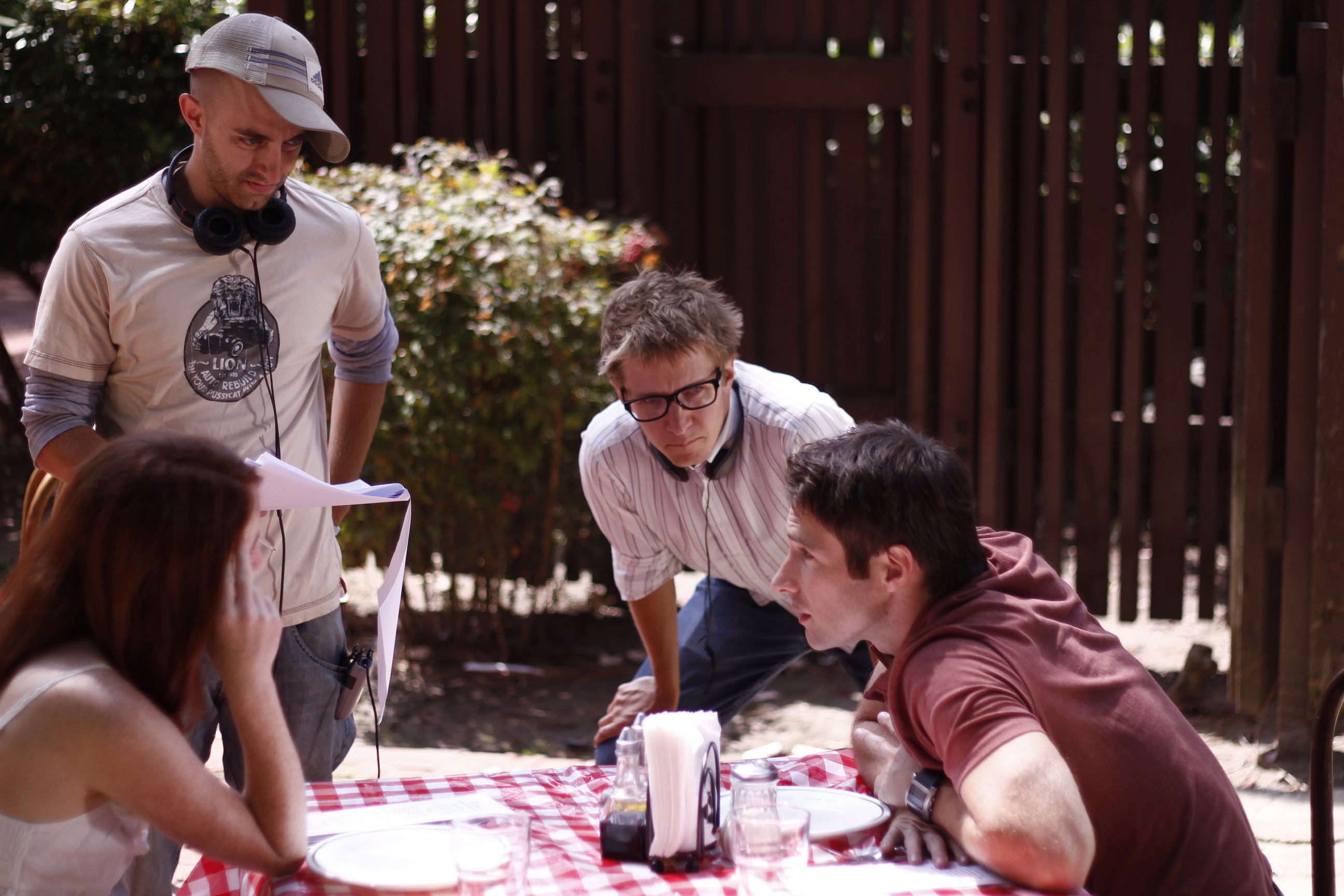
Lft-Rt: Kyle Laursen and Eric F. Martin direct Leslie Murphy and Mark Famiglietti
1Q: Tell us a little about the origins of ACTING LIKE ADULTS, from concept to financing.
We both went to film school at UCLA, where we spent the first two years working extensively on each other’s projects. As we reached the halfway point in the program, we started talking a lot about what we wanted to do for our thesis films. A lot of our peers were making these epic short film projects with huge budgets, and that didn’t really appeal to us.
Filmmakers like Barry Jenkins and the Duplass Brothers were a big inspiration to us, we loved the way they built character driven stories with really dynamic relationships on a minimal budget. And we figured, we came to film school because we wanted to make feature films, so why not give it a shot? We started thinking about what we had at our disposal (props, locations, actors, crew, equipment, etc) and wrote outlines that explored characters in situations that were within our means. The idea was to make the directing a challenge, not the producing. We knew it was going to be a big step from the short projects we’d done, but we had no idea just how big that step really was.
2Q: Cinequest is proud to host the World Premiere of ACTING LIKE ADULTS. Explain to us how it feels to bring this film before audiences for the first time, and what do you think their reaction will be to your film?
We love that Acting Like Adults will be screening at Cinequest. We feel the film has finally found the right home. We’re definitely thrilled to be sharing the movie with audiences, but of course, we’re a bit nervous too.
One of our goals with ALA was to portray a modern relationship that connected with audiences in a way that was both very personal, but also very everyday. We wanted our characters to seem like people you know and might be friends with, instead of phony big-budget movie versions of characters. So our hope is that people will leave the theater talking about our characters the way they talk about their friends’ relationship: gossiping, reflecting, judging and comparing it to their own.
3Q: What was your best and/or worst experience while making ACTING LIKE ADULTS?
Our best experience in making ALA was probably during casting. We had been writing on the script for almost a year, nearly everyday. Writing, re-writing, editing, getting notes, talking over scenes. We had also started producing the film before the first draft was even done: talking to crew members, scouting locations, prepping test shoots, driving around LA, taking part in an actual scavenger hunt, talking to permitting offices, etc. But the film didn’t actually seem real until we were in a room with actors, listening to our dialogue and seeing what our film could actually BE.
When we cast Mark Famiglietti and Leslie Murphy as the leads, it just made the whole film come together. They made some of our bad lines sound good and turned our witty banter into grounded, emotional material. At the most basic level, we watch movies to watch people. And when we discovered the human beings who we were going to explore in our own film, we found the emotional core that brought us even more inspiration.
4Q: Festival audiences often have to make hard decisions about what to see, and the catalog descriptions sometimes run together. In your own words, why should people see your film?
Our film certainly isn’t for everyone, but if you’re in the mood for an honest look at a 30-something relationship, we think it’ll be up your alley. We’ve tried to cram as much humor, awkwardness, and genuine emotion as possible into 75 minutes, and we think you’ll come away from the film feeling like you saw something special.
5Q: Time to pre-plan: You just won the Best Director Oscar for ACTING LIKE ADULTS. Give us your acceptance speech.
We’d like to thank our girlfriends, current and old, who gave us great writing material, who helped us look at ourselves, and who taught us how to be in a relationship. And we’d like to thank our parents for teaching us that growing up can be really hard.
See ACTING LIKE ADULTS at Cinequest!
View the Trailer!
“Like” them on Facebook!
Follow them on Twitter!

Mike Whalen
1Q: Tell us a little about the origins of THE FARMER & THE CHEF, from concept to financing.
4Q: Festival audiences often have to make hard decisions about what to see, and the catalog descriptions sometimes run together. In your own words, why should people see your film?
The music must be playing now.
Halfdan Hussey and Kathleen J. Powell
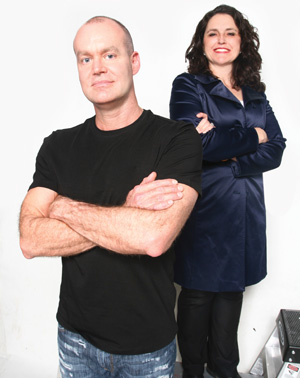
Halfdan Hussey and Kathleen J. Powell are the co-founders of the Cinequest Film Festival in San Jose, CA. This year they have produced their own film, LIFE IS LOVE.
1Q: Tell us a little about the origins of LIFE IS LOVE, from concept to financing.
HH: My wife, Roz, heard Somaly Mam speak in Hong Kong, when we were dating, and sent me an email about how moved she was by this woman whose philosophy was “life is love.” Roz brought me a business card. Inspired by that email, Kathleen J. Powell and I decided to do a Cinequest Picture The Possibilities (youth empowerment) session in Cambodia…As we developed this, Kathleen and I had the idea to do a feature film on Somaly Mam and her amazing young heroes, which she calls her Voices For Change Youth. Marcela Villegas Castenon (line producer and PTP manager) and Kathleen put the relationships together and created the opportunity to make a very special movie. Kathleen and I decided to donate our time to the movie, since we believed very deeply in the stories of these women, and the rest of the costs of the movie were covered via donations from friends, family, PTP supporters and companies.
2Q: Cinequest is hosting the World Premiere of LIFE IS LOVE. Explain to us how it feels to bring this film before audiences for the first time, and what do you think their reaction will be to your film? Does the “home turf” aspect make you more comfortable or more nervous?
HH: Kathleen and I started and run Cinequest because our first feature film (she produced and I directed) gave us a phenomenal experience at the Venice Film Festival and beyond. We wanted to give that back to other artists and to add the technology/empowerment component. What started off as a film festival focusing on discovery and empowerment of artists has led through time to a company with three divisions focusing on the empowerment of artists, innovators, audiences and global youth. PTP is the year-round youth movement where we give youth the tools, processes and inspiration to create their dreams from art to science.
KJP: It feels incredible to bring LIFE IS LOVE before an audience. This film is about amazing young heroes that have survived horrors most of us could not possibly imagine. It is such an honor to be able to bring their stories, their words, their feelings to the world. If this film were to help one victim realize they too can stand up, survive, and help others, than it will all be worth it. I think the reaction to the film will be powerful. I don’t believe it is a film that you can watch and forget about next week.
3Q: What was your best and/or worst experience while making LIFE IS LOVE?
HH: The film was an incredible blessing to make so there’s probably thousands of best experiences from the rich visual opportunities in Phnom Penh to the incredible women who shared their stories with such vulnerability and warmth. One of the ‘best’ experiences has been how much they’ve all inspired us from the initial encounters to the crying (many times) and joy in the editing room engaging with them further. A personal best was shooting in the rice fields of Cambodia on my birthday with these wonderful women and the team of Life Is Love. The ‘worst experience?’ Although I run a film and innovation company, I can’t say that the business side of releasing a movie is very easy for any artist.
KJP: Every moment of the film shoot was rewarding. We were shooting in the middle of August, it was 115 degrees in the shade. Forget about trying to fix your hair or put on makeup. There was no complaining and you never thought about it. We were with AMAZING young women that were sharing their stories. Every interview we did, I sat there and cried. Even if another language was being spoken, I could look in their eyes and feel throughout my entire body their pain, their joy. I did not need the words translated, I knew. And then when the camera was switched off, and we all were able to recompose ourselves, there was laughter.
My worst experience was the deep understanding I now have of the horrors young children, babies have experienced. What was done to their childhood, to their bodies, to their foundation as a human being. That understanding will never go away … and I would never want it to.
4Q: Festival audiences often have to make hard decisions about what to see, and the catalog descriptions sometimes run together. In your own words, why should people see your film?
HH: If you are willing to take a journey into the darkest and most inspirational sides of the human experience…all in one setting.
KJP: We all experience trauma in our lives. Some more than others. From the loss of a loved one, trauma to our bodies, a lost job or relationship, we all are on these journeys thru life. I LOVE the world of film because it allows you to step outside of yourself and go on a journey, to a place you have never visited, to somewhere that can only be imagined, to another culture, experience, world. What a great honor that is, to be invited, even if only for a short period of time, to walk in someone else’s shoes.
5Q: Time to pre-plan: You just won an Oscar for LIFE IS LOVE. Give us your acceptance speech.
HH: I’d use the platform to expose more people to Cinequest Picture The Possibilities and the incredible future we all will have because the new generations can create a better world than the one we currently have…if we help them and let them.
KJP: In the end it is never about how much money you have in the bank, how many companies you launched, how many awards you have won. It will always be about your connection with other people. Did you help someone take that next step? Did you open a door for them to walk through? Did you inspire them not to give up?
See LIFE IS LOVE at Cinequest!
View the Trailer!
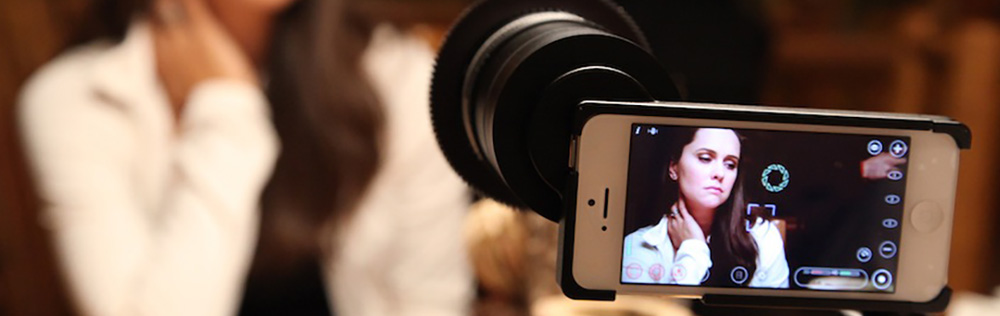
UNEASY LIES THE MIND is a thriller which is also the first narrative feature film shot entirely on the iPhone, directed by Ricky Fosheim.
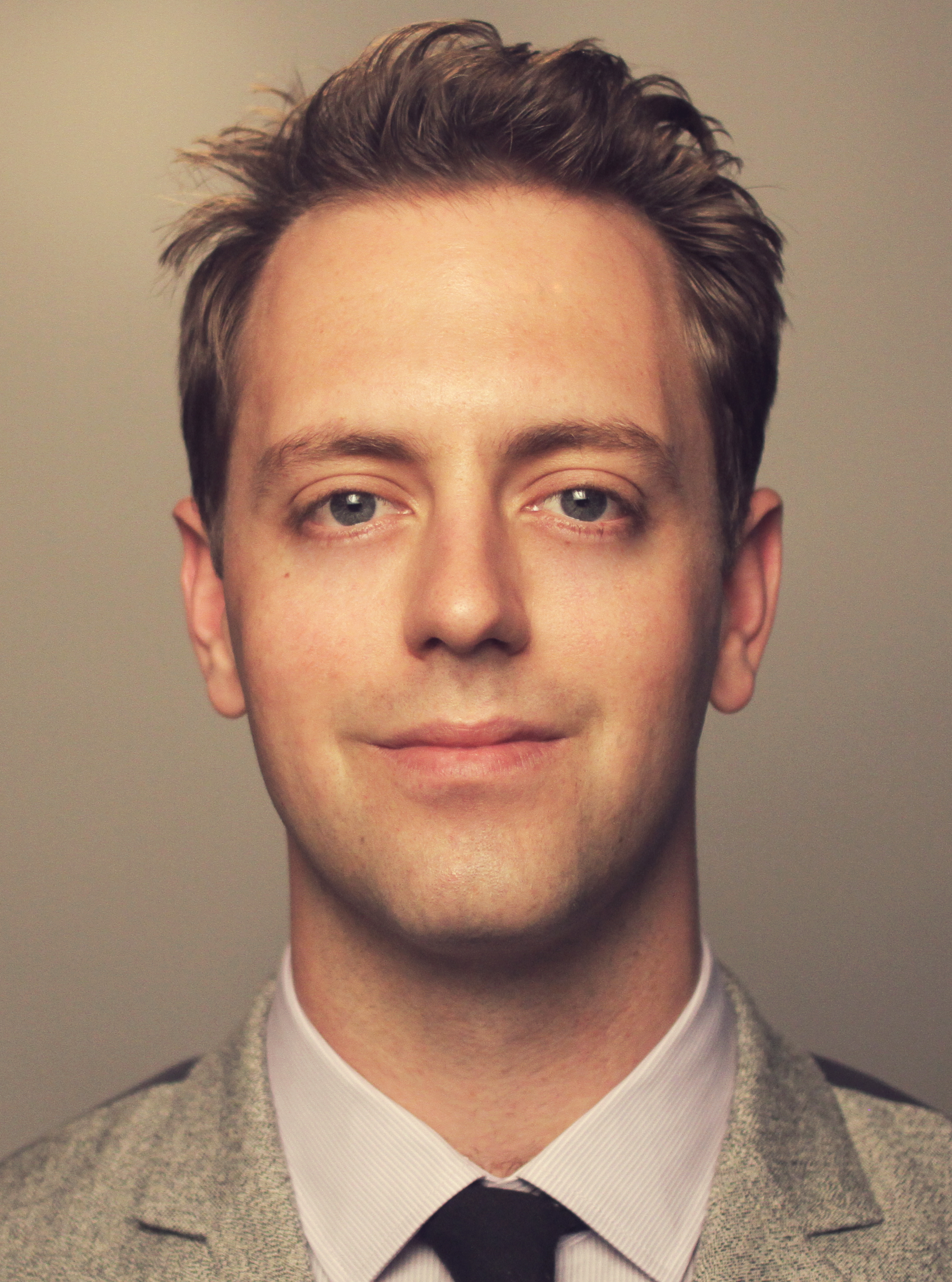
Ricky Fosheim
1Q: Tell us a little about the origins of UNEASY LIES THE MIND, from concept to financing.
Uneasy Lies the Mind was written by Jonas Fisch, who is an abstract painter, and Dillon Tucker, who is amongst many things a poet. As one would expect when you combine a painter and a poet, the script turned out to be unlike anything I’ve ever read before.
The entire project, from financing to shooting to post production, were all approached in a creative fashion. Our budget was raised through Kickstarter. We shot the movie entirely on the iPhone. Even our distribution model is unique in that we are exploring ways to incorporate an exclusive “smartphone release” strategy.
2Q: Cinequest is hosting the World Premiere of UNEASY LIES THE MIND. Explain to us how it feels to bring this film before audiences for the first time, and what do you think their reaction will be to your film?
We are thrilled to be a part of Cinequest. They are in the heart of Silicon Valley, which is right where we want to be since our movie was shot on the iPhone. Hopefully the Cinequest community embraces and falls in love with the movie, regardless of what camera it’s shot on.
3Q: What was your best and/or worst experience while making UNEASY LIES THE MIND?
The movie was shot in Mammoth Lakes, California during freezing cold temperatures. At times it was less than 10 degrees Fahrenheit, which caused the camera to crash and suddenly turn off. We lost a lot of really great takes because of these extreme weather conditions.
4Q: Festival audiences often have to make hard decisions about what to see, and the catalog descriptions sometimes run together. In your own words, why should people see your film?
If you like a layered, well crafted psychological thriller with a strong visual aesthetic then this movie is for you. It’s got some dark and twisted turns, but at the same time the characters are engaging and quite funny. It’s also completely shot on an iPhone, which is the first of it’s kind. The images are quite striking and I think you will be presently surprised that it was shot on such an unconventional camera.
5Q: Time to pre-plan: You just won an Oscar for UNEASY LIES THE MIND. Give us your acceptance speech.
Thank you. You know who you are.
See UNEASY LIES THE MIND at Cinequest!
View the Trailer!
“Like” them on Facebook!
Follow them on Twitter!
Eric Gallegos
1Q Tell us a little about the origins of BITE SIZE, from concept to financing.
Producer, Eric Gallegos:
Growing up I was always an athlete, so I ate what I wanted without ever having any real consequences—my diet consisted of the dollar menu and five-dollar large pizzas (I’m not joking) from Little Caesars. That all changed when I stopped playing sports in college. By the time I was in my third year, I weighed 215, which is about forty pounds more than what I weigh today. Around that same time, my father was diagnosed with type II diabetes, a disease directly related to obesity that runs in my family.
I realized that if I didn’t make some sort of change I would be headed down the same road. Fast-forward 2-years and 40 pounds later, I felt better both physically and emotionally than I had in my entire life. At that moment I had a burning desire to share this message, and how to make this change, with as many people as possible. I reached out to one of my best friends, fraternity brother, and USC Cinema Graduate Corbin Billings. I pitched him the idea and about a month later we decided it would be a documentary about childhood obesity called Bite Size. Corbin grew up as an overweight child, and had also recently shed the weight, so he was the perfect person to make this film. We assembled a team of talented USC graduates (Andrew Galdi, Joshua Lipton, & Greta McAnany) to produce the film. Almost 3.5 years later, a successful Kickstarter, over 100 pitches and many no’s we were able to secure enough private investment/grants/donations to make this movie a reality.
2Q Cinequest is proud to host the World Premiere of BITE SIZE. Explain to us how it feels to bring this film before audiences for the first time, and what do you think their reaction will be to your film?

Corbin Billings
Director, Corbin Billings:
We could not be more excited about Bite Size’s debut at Cinequest! Our intention in creating this film was always to share it. Bite Size is meant to raise awareness about the childhood obesity epidemic in America, not by shocking audiences with statistics, but by revealing the faces and stories behind the numbers. I hope audiences will find it easier to join the movement for a healthier future after they’ve invested emotionally with the characters in our film. Hopefully audiences see something from their own lives reflected in the children’s struggle. The documentary holds up a mirror to show us who we are, how we got here, and the psychological impact it is having on our kids. In this way, we see our future. Not only do we witness the rising health risks should we do nothing to change our course, but we witness the hope of reversing our diagnosis when parents and children alike take personal accountability for their eating and exercise habits. I hope audiences leave the theater with the inspiration to pursue their personal path to health.
3Q What was your best and/or worst experience while making BITE SIZE?
Director, Corbin Billings:
The best part of making Bite Size was the joy of working with the kids in the movie. Over the years of production, I witnessed each child transform not only physically, but also emotionally. Over countless hours of interviews, they each taught me something very important about life. Davion taught me that if you want something bad enough, it’s always possible to change your attitude and turn your thoughts into reality. KeAnna taught me to make the most with the least, finding beauty and joy in the worst circumstances. Moy taught me the power of confidence and to not let other people’s opinions dictate personal self worth. Emily taught me that sometimes the greatest obstacles we face are ourselves. Their wisdom is my reward for this experience, and it is a truly priceless gift I look forward to passing on to my own children someday.
4Q Festival audiences often have to make hard decisions about what to see, and the catalog descriptions sometimes run together. In your own words, why should people see your film?
Director, Corbin Billings:
There is one reason to go see Bite Size: The kids. They are cute, but conflicted, funny, yet flawed. They are incredible characters facing overwhelming odds. The fly-on-the-wall style of filmmaking makes the movie almost feel like scripted narrative fiction. The characters are authentic and dynamic, captured in their most intimate moments of tragedy or triumph, revealing the sub-textual economic, racial, and family issues driving the American obesity epidemic. The film is sure to spark a long discussion afterwards about healthy parenting.
5Q Time to pre-plan: You just won the Best Director Oscar for BITE SIZE. Give us your acceptance speech.
Director, Corbin Billings:
In the film, our list of special thanks credits is far longer than the preceding production credits. This always reminds me how truly blessed the Bite Size team has been while making this film. Luckily, this isn’t really an Academy Award acceptance speech, because I would certainly be played off stage before I finished saying all this…
First and foremost, I would like to thank the four people without whom this film would have never been possible: Moy, Davion, KeAnna, & Emily. These children and their families gave us intimate access to their life struggles, and taught us so much about perseverance and endurance. It takes a great amount of courage to honestly discuss your faults on camera to help others learn from them. I also have to thank the talented four producers on the project, Eric, Joshua, Greta, & Andrew. We have worked together for almost three and a half years to turn this dream into a reality, and I am humbled to work alongside such dedication.
Serving as a producer and cinematographer, Joshua Lipton, is responsible for every breathtaking frame of the film. Words simply fail to describe how lucky I am to possess a friend and colleague of his caliber. He traveled with me on the road for every step of the Bite Size journey across the country, and we became close as brothers in the process. His patience and practicality were the perfect balance to my creative impulsivity. Our thoughtful conversations about the film over the long road trips and in the editing room gave birth to essential character insights.
I also have to express my deep thanks to Tchavdar Georgiev & Monique Zavistovski, the editors who helped me cut the film together. Tchavdar is a true artist with an impeccable understanding of documentary storytelling and structure. It’s hard to say whether I learned more watching him work or listening to his fascinating historical anecdotes about Genghis Khan and Russian World War 2 heroes. Monique was a much-needed mother to the film. I loved watching the expression on her face when she would watch the raw footage. She laughed whenever the kids said something funny and teared up when they would cry. I could tell she loved the kids as much as I did. She was truly the perfect person to help finish the story.
Perhaps one of the film’s greatest strengths is its soundtrack. I am so proud and grateful to have worked with the talented composer, Michael Kramer. He has been a loyal friend to the film for the past 3.5 years, lending us original compositions to feature in trailers and temp passes of the edit before finally orchestrating a deeply emotional musical accompaniment for the film. His work continually brings tears to my eyes.
Of course, the entire Bite Size team would like to thank our families, friends, and investors for their support as we pursued our passions. I would especially like to thank the Wright family, who housed us in Mississippi while we filmed with Davion & KeAnna, and the Patricks, Emily’s family, who allowed us to live with them in their home as we filmed every day. Lastly, I would like to thank everyone who has supported us online, in the field, or via Kickstarter. We truly could not have made this film without you.
See BITE SIZE at Cinequest!
“Like” them on Facebook!
Follow them on Twitter!
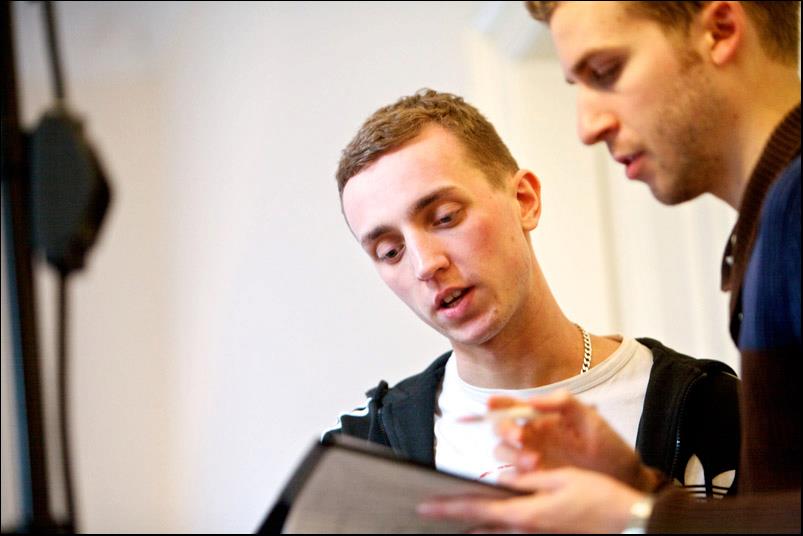
Graham Hughes
1Q: Tell us a little about the origins of A PRACTICAL GUIDE TO A SPECTACULAR SUICIDE, from concept to financing.
Well, I’ve been making films for the last 5 years with my two best friends from High School; writers Keith Grantham and Graeme McGeagh. After years of broad comedy films we wanted to attempt something a bit more serious. A Practical Guide to a Spectacular Suicide came first as a title and slowly developed into a story. We wanted to make something that would be life-affirming, not too preachy, always with a hint of comedy, trying to edge away from the ever-present cliche of dour films that come out of Scotland.
The financing came from a successful crowd-funding campaign, which turned out to be almost solely funded by friends and family. We really can’t say enough thanks to all the funders, as we couldn’t have made the film without them!
2Q: Cinequest is hosting the World Premiere of A PRACTICAL GUIDE. Explain to us how it feels to bring this film before audiences for the first time, and what do you think their reaction will be to your film?
It feels incredible to be showing our film to audiences at Cinequest. They are the first festival to have accepted our film and it just feels like an incredible validation for our $6,000 movie, made by semi-pros in their spare time in Scotland is getting its world premiere in California. It really does make all of the grief worthwhile!
And at this stage I’ll be happy with any reaction to the film. If they have a reaction then it means they have been to see it!
3Q: What was your best and/or worst experience while making A PRACTICAL GUIDE?
The best experience was the whole shoot itself. We had such an amazing team of individuals that really created a sense of family over the 13 day shoot. By the end of our first 9 day block delirium had really set in. Everyone constantly sang between takes and the slightest unfunny joke would set everyone into fits of laughter. Our photographer Stephen Blythe, who was present on the 2nd and final day of that block noted that we had all “lost it” by the end.
Also our amazing Producer, Production Designer, Caterer etc etc, Kirsty Hutton made us lunch every day. I’ve never been fed so well…
Worst experience, probably the first private screening we had. The blu-ray wouldn’t work. We struggled to fix it in the time that everyone was arriving… longest 37 minutes of my life…
4Q: Festival audiences often have to make hard decisions about what to see, and the catalog descriptions sometimes run together. In your own words, why should people see your film?
All going well, I should be at the Premiere; our screening on Friday the 7th. If you come along I’ll buy you a beer afterwards (limit to first 10 customers, terms and conditions apply).
5Q: Time to pre-plan: You just won an Oscar for A PRACTICAL GUIDE. Give us your acceptance speech.
This is dedicated to my primary seven teacher that said I could never be a writer… you bitch.
Seriously though, the only reason this film was made was due to the support and belief of all of our friends and family that donated their time, money and faith to help us achieve our dreams– wait, what? What do you mean clerical error? Uh-huh? I see… well yes I guess 12 Years a Slave does deserve it a bit more…
See A Practical Guide To A Spectacular Suicide at Cinequest!
See the Teaser Trailer!
“Like” it on Facebook!
Follow the film on Twitter!
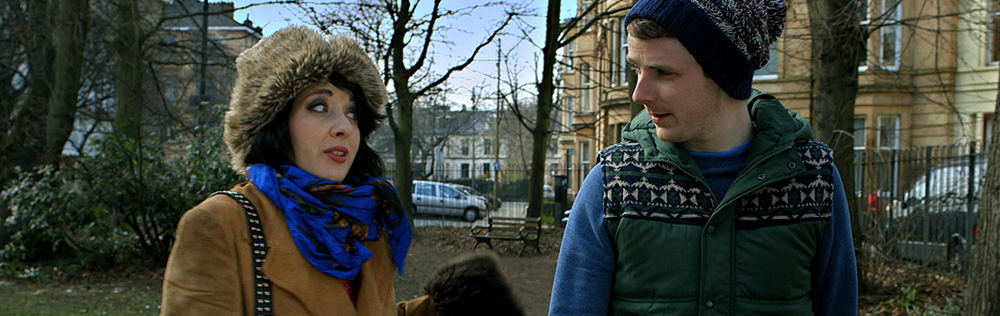
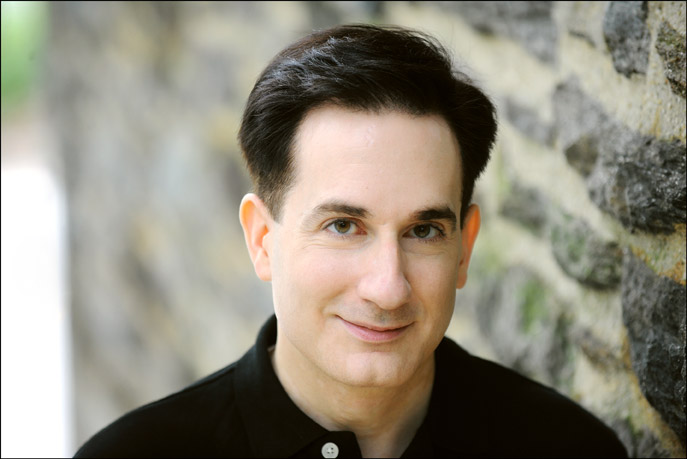
Don Scimé
1Q: Tell us a little about the origins of THE DAVID DANCE, from concept to financing. “The David Dance” was originally produced as a play over ten years ago at the New York International Fringe Festival and later by a theatre company in DC. People told me I should adapt it as a screenplay and make it into a film. A lot of it is based on things I was going through at the time. I know it sounds strange, but even as an adult, I didn’t always feel like I fit in – even with other gay people. To me this is a very personal story about how feeling different is actually a completely universal experience. That’s really what the main character learns. His feelings of not fitting in aren’t unique to being gay. We are all insecure oddballs in this universe headed in the same direction. But that’s the beauty of it. The sooner we make peace with that, the easier our journey on this earth will be. I had an ad in Craig’s list looking for a director and that’s how my collaboration with director Aprill Winney began. She sent me a copy of her last feature film, Counting Backwards, which was at the Santa Barbara International Film festival and LA Femme Film Festival (where she won Best Director for that film). I loved it and sent her a copy of my screenplay. She called me not long after saying how much she loved the script and that it made her cry. She helped us secure The Panavision New Filmmaker Program Grant. They loaned us a camera and lenses. That was a big help. I really enjoyed working with Aprill because she knew how to put me at ease as an actor and at the same time push me in the right direction when need be. She’s currently directing a web series called “The Fosters”.
2Q: Cinequest is proud to host the World Premiere of THE DAVID DANCE. Explain to us how it feels to bring this film before audiences for the first time, and what do you think their reaction will be to your film? I’m excited, but I honestly have no idea what their reaction will be. I’m just really glad Cinequest chose us.
3Q: What was your best and/or worst experience while making THE DAVID DANCE? Worst: Sadly, one of our main actors passed away a year later after shooting. About two weeks before shooting Guy Adkins told us he was diagnosed with colon cancer. He plays Chris in the movie. Best: Getting to work with such dedicated, hardworking artists. We had a great team. We shot it in Buffalo in March and it was cold. It was inspiring to see people on the crew pull together for the film. I remember one day we had to find parking for all our vehicles and Brian Rzepka, our resourceful production designer, helped me ask local businesses for parking spaces. Also, I remember being downtown at four in the morning with no one else around except the crew as if it were our own big movie set. I like the idea of preserving a moment on film and I feel privileged to share something that I hope can inspire other people.
4Q: Festival audiences often have to make hard decisions about what to see, and the catalog descriptions sometimes run together. In your own words, why should people see your film? I think we have a movie where the final product reflects the intentions of the writing and that is something that does not always happen. It’s ultimately a movie about love and learning to love yourself. It’s also about family – whoever that may be.
5Q: Time to pre-plan: You just won the Best Picture Oscar for THE DAVID DANCE. Give us your acceptance speech. Thanks to everyone who worked on this film and contributed absolutely anything! We could not have done it without you! Thanks to my family – especially my mom and dad – and friends for teaching me how to love. Thanks Cinequest! View the Trailer! See THE DAVID DANCE at Cinequest! “Like” it on Facebook THE DAVID DANCE on Twitter Don Scimé on Twitter
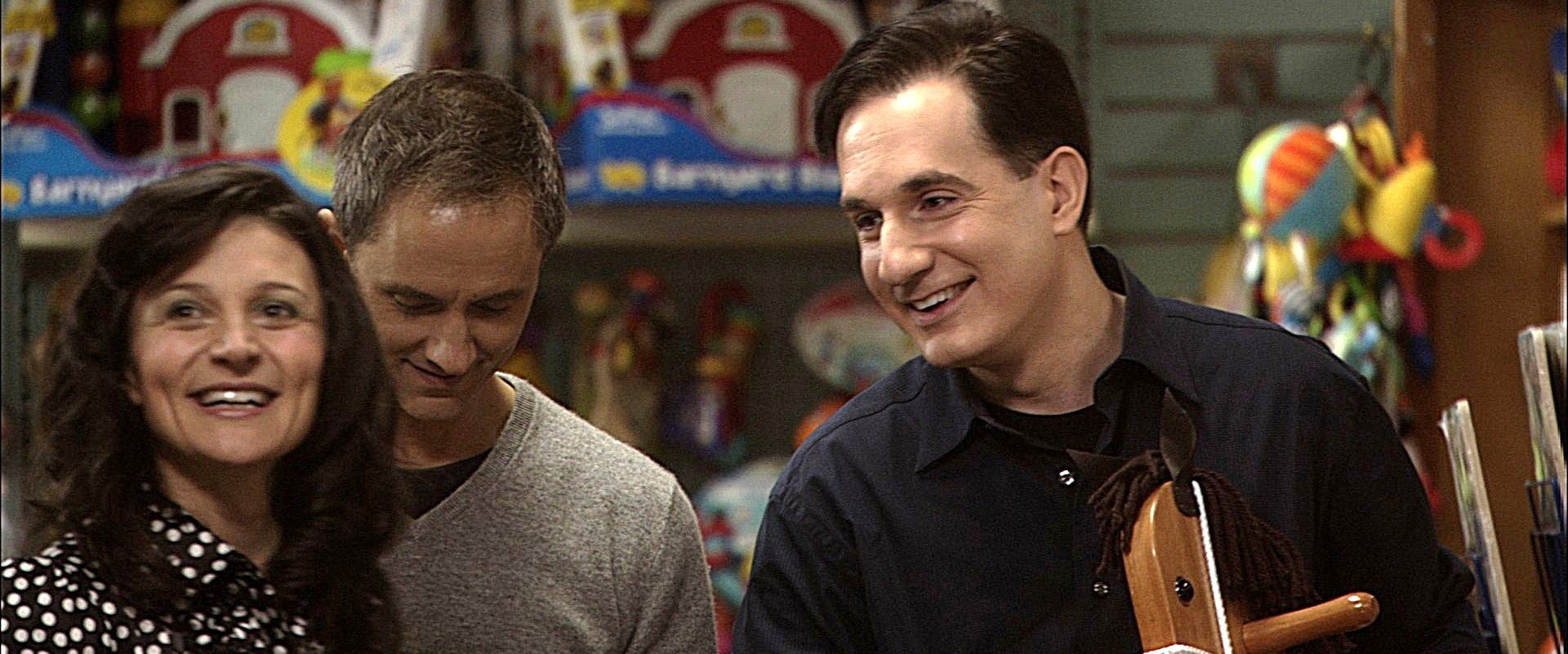
From Left to Right: Antoinette LaVecchia, Guy Adkins and Don Scimé

lft to rt: Erick Crespo, Andrew Lawrence, Gary Busey, Andrew Caldwell, and Miguel Ali
1Q: Tell us a little about the origins of CONFESSIONS OF A WOMANIZER, from concept to financing.
Confessions of a Womanizer was motivated by an entirely different film. At the time, I was developing a biopic about Pakistani Prime Minister Benazir Bhutto – and since Bhutto’s story was based on fact, there was no way to mask the drama. She dies at the end of the script, no matter what. Although I loved the story, it was still terribly depressing, and to balance out my mind, I decided to write a comedy. Confessions of a Womanizer, in a small way, was my personal biopic, about my life in Orange County, at times. Most importantly, I wanted to write a comedy about coming to grips with yourself and learning to love and forgive oneself. My main creative collaborator, Erick Crespo (who co-produces all of my films) was the first person who encouraged me to write an indie comedy, over dinner in Orange County. Up to that point, we had won many awards for our short films, but Erick wrangled me and told me that we now had to graduate to features… the rest is history. I’m lucky to have Executive Producers like Erick Crespo, Gary Quick and Matt Pena who put down the investments and time to bring this story out. I’m also lucky to have producers like Tim Schaaf, Julia Haye, Pauline O’Con and Rosalinda Morales who really did everything possible to push the film. If you want to have a ‘chance’ at being successful, you need to surround yourself with good people, and the easiest way to do that is to write a damn good script.
2 Q: Cinequest is proud to host the World Premiere of CONFESSIONS OF A WOMANIZER. Explain to us how it feels to bring this film before audiences for the first time, and what do you think their reaction will be to your film?
I can’t wait to hear their laughter, because I’m pretty sure that no one has ever seen a film as funny as ours. We’re also deeply proud to premiere at Cinequest too, especially since it’s an Oscar-affiliated film festival. For us, it shows the world that our film is not only comedic, but that it’s also full of depth. When you hear a title like “Confessions of a Womanizer starring Gary Busey” you might instantly think it’s a B-Rated comedy, but we have so much more depth than that. Cinequest is a validation for us.
3Q: What was your best and/or worst experience while making CONFESSIONS OF A WOMANIZER?
The best experience was, truly, every day on set. We had a very small set – literally a full staff of around 10 people (for a feature film, that is tiny). We all became very close on set, and there was a family-like atmosphere where we really looked out for each other. There was a lot of laughter between takes. Andrew Lawrence and Andrew Caldwell also made the set an absolute blast because they’re both so hilarious and team-oriented. Any day with them was always a pleasure. The worst part? Honestly, nothing about the process was the worst. I will say though – when we offered roles in the movie to major actors, the waiting that ensued for them to get back to us – that was anxiety-ridden. Ultimately, we ended with people like Gary Busey, C Thomas Howell, Jillian Rose Reed and The Bella Twins. But there were a lot of moments where I worried that we wouldn’t have a recognizable cast, and those were sleepless nights. Come to think, there were a lot of sleepless nights, but those all happened during pre-production and post-production. During production, we made a solid game plan and made sure the necessary funds were in the bank, thus, there wasn’t a single roadblock (at least during the actual production).
4Q: Festival audiences often have to make hard decisions about what to see, and the catalog descriptions sometimes run together. In your own words, why should people see your film?
People should see our film because Gary Busey has given us a performance that is worthy of an Oscar (I am not kidding – it is that good). I also promise you – you will have never seen a funnier movie than Confessions of a Womanizer. We are a hilarious film, that also carries a touching story. Of course, this is the feature film debut for The Bella Twins, as well as the feature film debut for Kelly Mantle, who is a transgendered rising star – she also gave us a performance that is worthy of Oscar consideration.
5Q: Time to pre-plan: You just won the Best Director Oscar for CONFESSIONS OF A WOMANIZER. Give us your acceptance speech.
My speech? I hope that history never writes of me as an “auteur” but rather, as a “collaborator.” I love telling stories, but that’s not what truly drives me. What truly drives me? Collaborating with other artists. Working with other artists is what makes film fulfilling for me – it’s the second best feeling in the world, behind being a good father to my little boy, Seneca.
See CONFESSIONS OF A WOMANIZER at Cinequest!
“Like” it on Facebook!

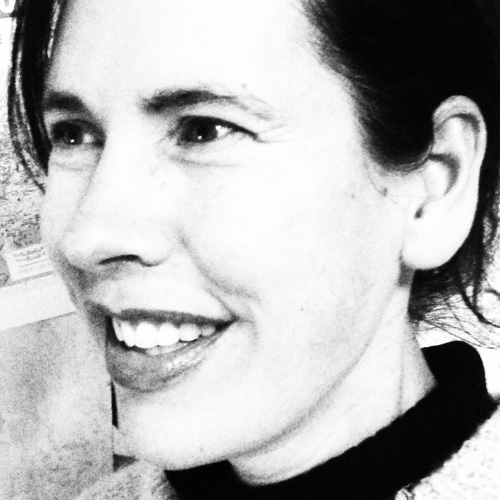
Director Jilli Rose
1Q: Tell us a little about the origins of STICKY, from concept to financing.
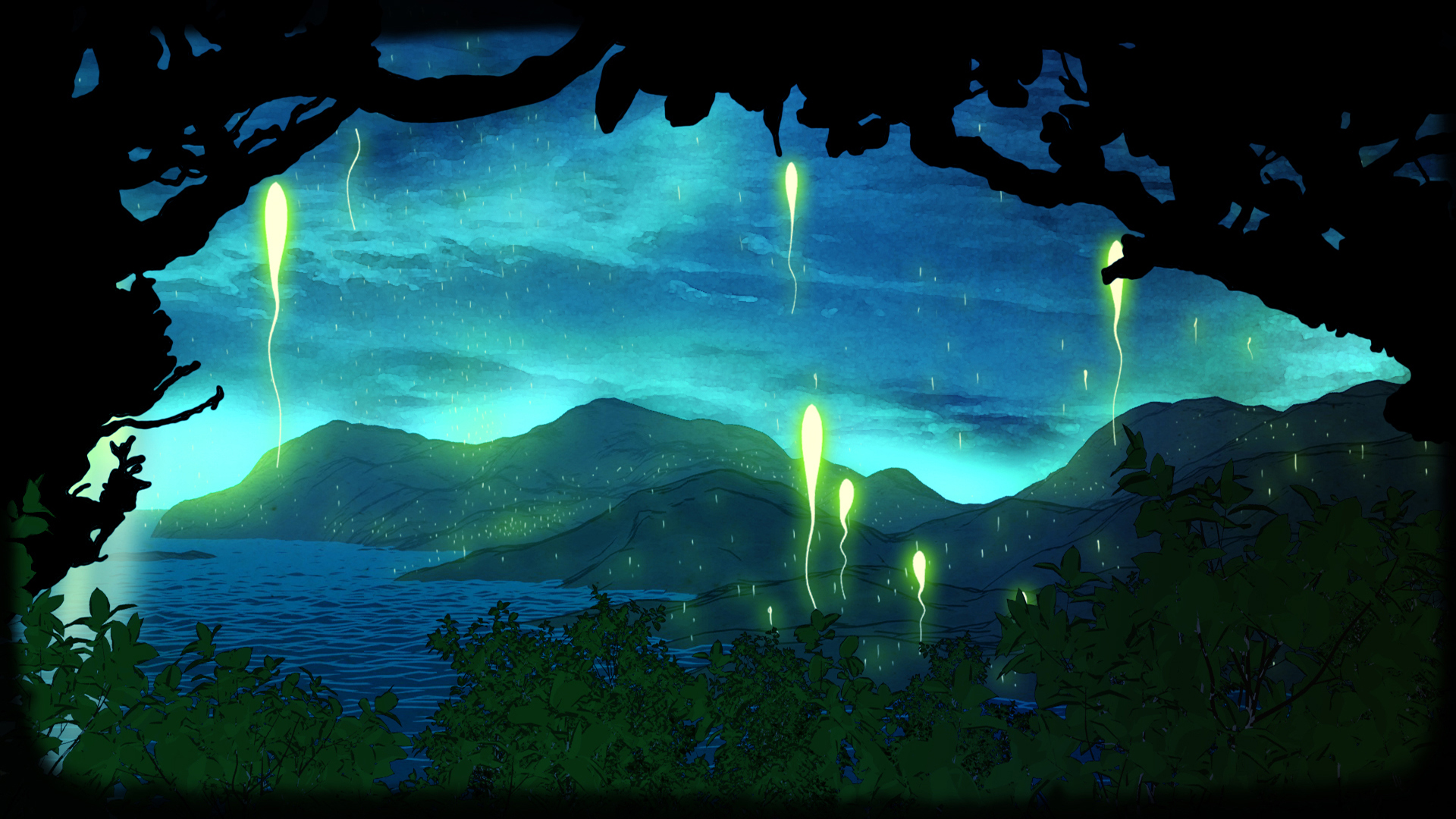
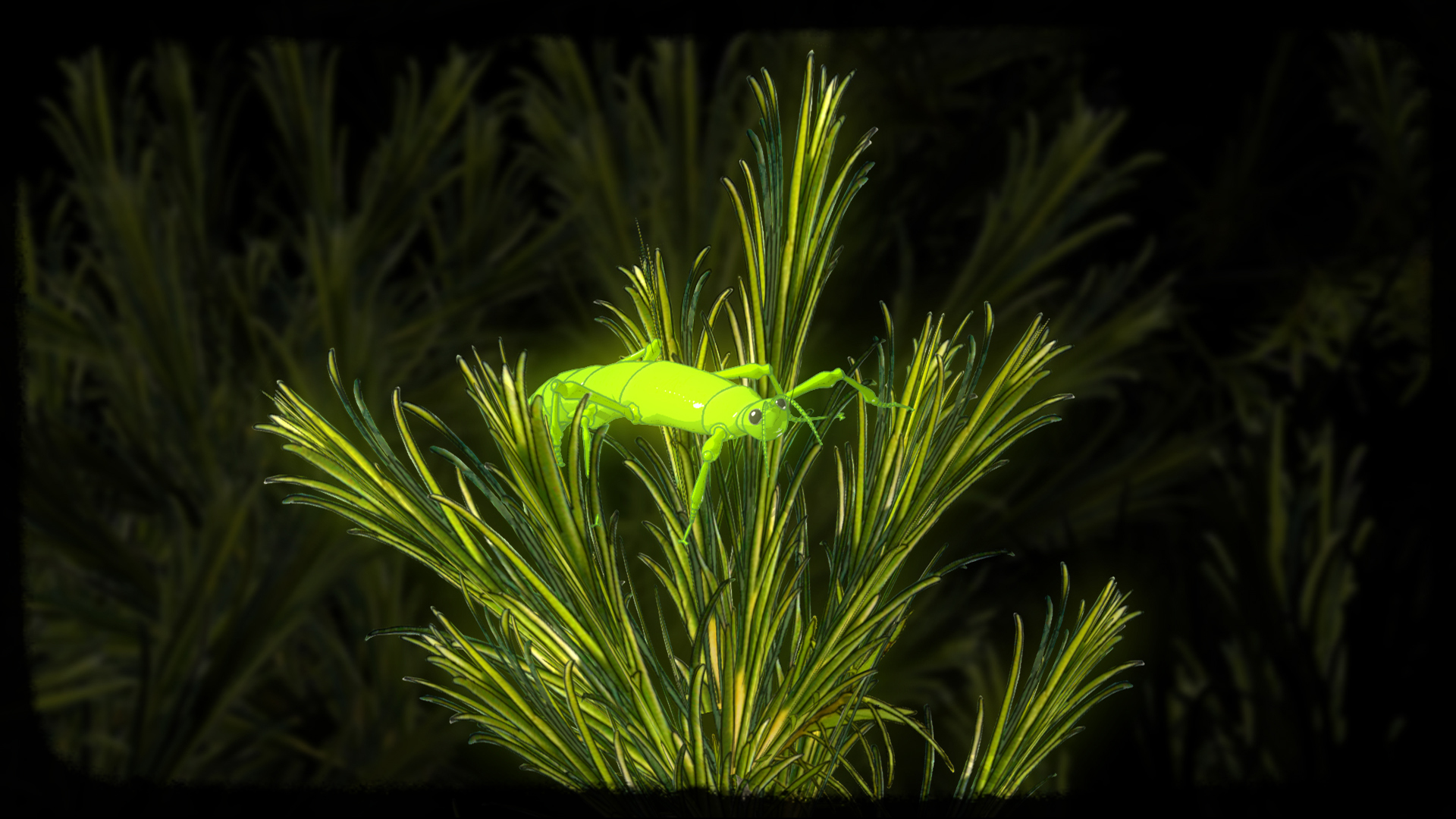
Sticky is an animated documentary telling the heart-warming conservation success story of the stick insects from Lord Howe Island. These insects were thought to be extinct until a tiny population was discovered in 2001 on a single bush on the world’s tallest sea stack. It was a story I had never heard till I stumbled across this article:
Six-Legged Giant Finds Secret Hideaway, Hides For 80 Years
I read it and was thunderstruck. I couldn’t believe that such a mind-blowing story had happened right down the street from me (I lived very close to Melbourne Zoo where the insects were brought for captive breeding). The insects were perfect scrappy heroes, their story more like a fairy tale than real life, complete with exile on a secret island. I contacted the people mentioned in the article (freaking them out a little with my enthusiasm), shelved the script I was working on and started research for Sticky. The most influential part of preproduction was a visit to Lord Howe Island; it’s easily the most startlingly beautiful environment I have ever walked through, but the lowland forests are eerily quiet and still. It’s so obvious, even to an untrained eye, that there’s something dreadfully wrong with the natural system there. At that point I became really passionate about the story. I assembled a team, we crowdfunded, received a grant from the Awesome Foundation, and now that the film is complete Melbourne Zoo have pitched in to help with our film festival costs and to launch Sticky in their spectacular butterfly house.
2Q: What was your best and/or worst experience while making STICKY?
It sounds disingenuous but this project has actually been wonderful start to finish, with every single plan, wish and hope working out. We’ve been freakishly lucky and have ridden a massive wave of support, much of which has come from the science community. I’ve met wise, generous, funny, energetic people, had fantastic, ridiculous fun filming for rotoscoping wearing cardboard costumes (it was exactly like sweding in Be Kind Rewind), animated directly to heartbreakingly beautiful cello music (http://kristinrule.bandcamp.com/), seen baby stick insects at the zoo that had just hatched that day . . . I think the biggest discovery for me has been how much I love the process of making documentaries. Filming, interviewing and animating Sticky has left me with this impression that we all have stories, millions of them, it’s what we’re made of, and even the most reserved of us will light up and speak with drama and urgency when asked about them.
 3Q: Cinequest is hosting the World Premiere of STICKY. Explain to us how it feels to bring this film before audiences for the first time, and what do you think their reaction will be to your film?
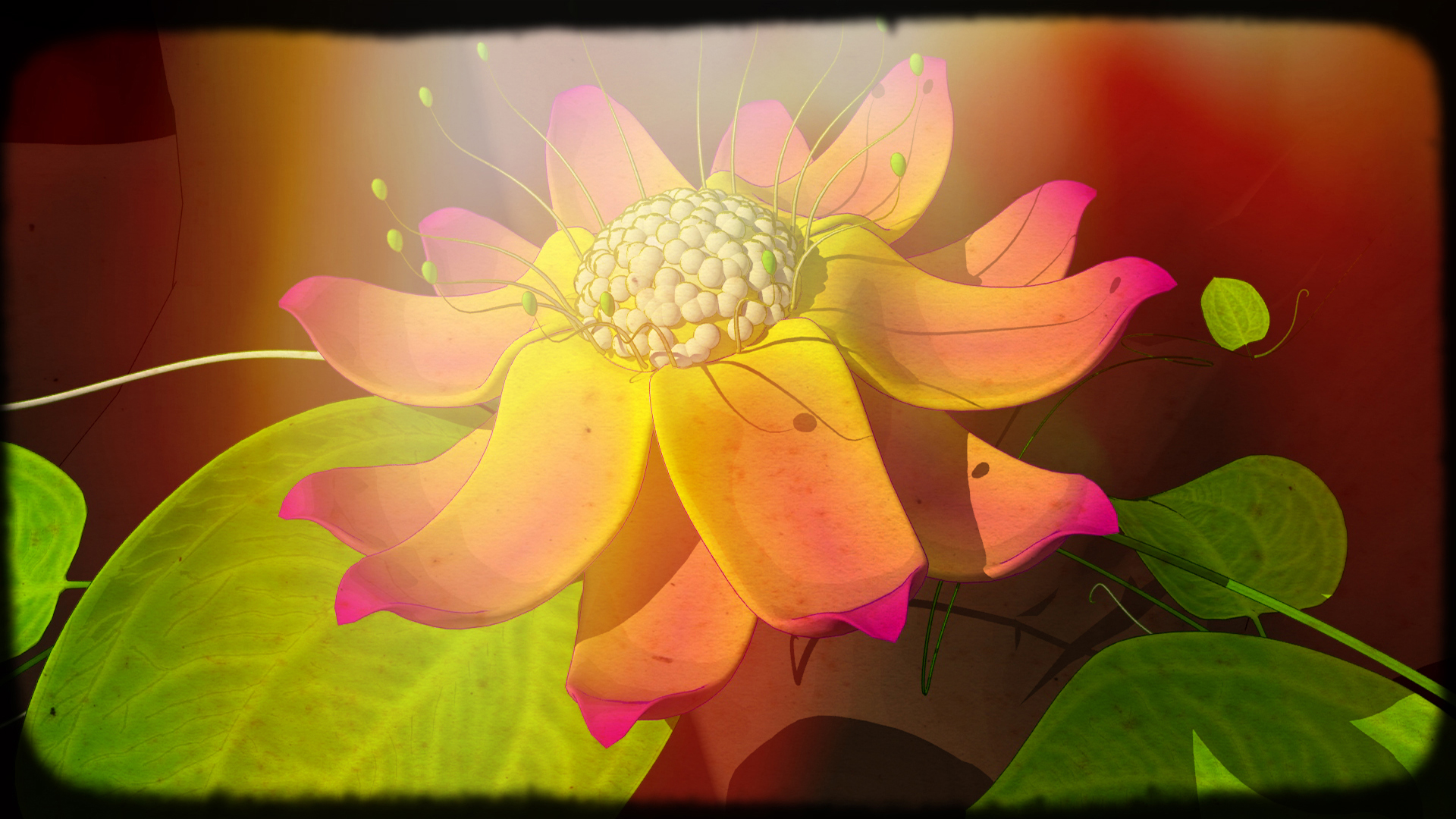
It’s terrifying showing something so personal to a group of strangers – really exposing – but this is such a gorgeous story, I know people are going to respond to it. I think they’ll be won over by the beauty of the film visually and by the tenderness the scientists display towards these little animals, and surprised by the emotion they end up feeling for the plight of this group of stick insects living such a long, long way from their home.
4Q: Although short films are my favorite, they often have little chance of being seen by a wide audience, and an even smaller chance of gaining you fame and fortune. Now that you’re in the “easy” stage of filmmaking, the high of showing your film to an audience, was the making of STICKY worth it? Will there be more films from you in the future and would you stick to the short format?
As a viewer, I agree, there’s so much to love about shorts, and as a creator, I really like the challenge of getting an audience hooked and a story told in a short slice of time. One of the benefits of working in a field with a limited audience and market is that it’s really free – like a massive sketchbook – it feels like everybody’s trying things, making glorious discoveries, messing up, figuring it all out – it’s raw, experimental and fun, with heaps of elbow room. Who wouldn’t want to work in that environment? Of course I’m coming back for more! I’m developing a science-based, animated TV series for kids this year and another fully animated short documentary as well. Was it worth it? Totally, absolutely, I wouldn’t have missed this ride. It’s so exciting to see the film heading off into the world to do whatever it’ll do. So far it’s been watched by schoolkids in the Seychelles, scientists at the UN, and even David Attenborough (who enjoyed it very much, we heard) – I encourage feedback, so I’ve been getting lots of mail.
 5Q: Time to pre-plan: You just won an Oscar for STICKY. Give us your acceptance speech.
I’d thank the venues: the cinemas that are reviving the practice of screening shorts before features, the festivals that include shorts programmes, and the Academy for continuing to provide the short animation category, which is a such brilliant springboard for independent animators. Then I’d try to encourage filmmakers not to worry too much about the market for their film up front and to let their emotions guide them more. Those stories that hit you between the eyes, thrill you, make you feel like a kid, move you to tears or enrage or delight you, those are your stories to tell. All of that emotional energy can’t help but come out in your film and who knows what that’ll look like or where you’ll end up, but bottom line: you’ll have shown your heart to the world, and I for one want to see it.
See Sticky at Cinequest!
“Like” it on Facebook!
Follow Jilli Rose on Twitter!
 Popcorn and Vodka